You were offered free monitoring after a breach and are unsure whether to add a fraud alert, a freeze, or both.
A freeze is the stronger barrier to new-credit access
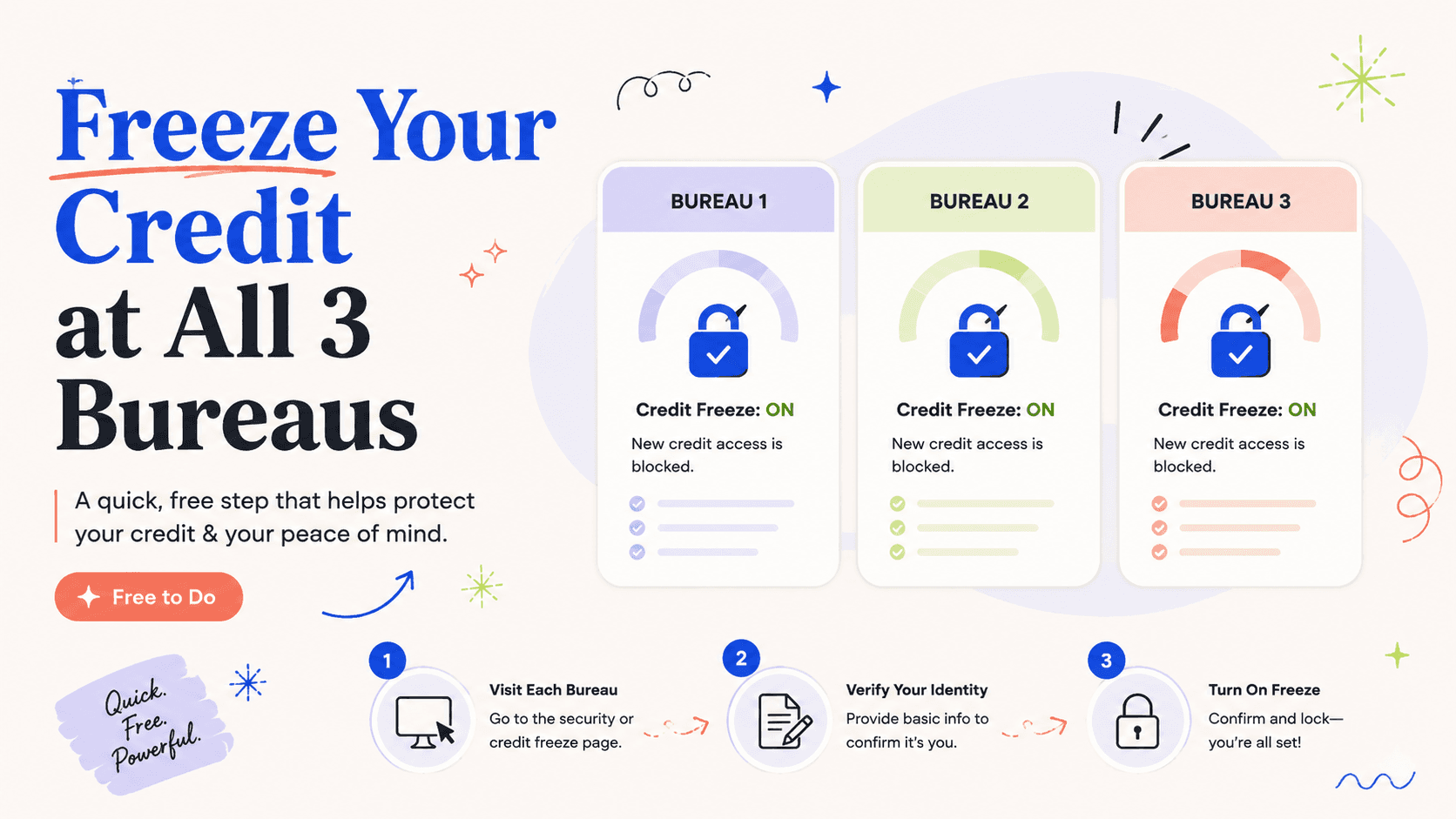
With a credit freeze in place, potential creditors generally cannot access the frozen report for a new application. Because lenders usually need a report to grant new credit, that makes unauthorized new-account opening harder. The freeze stays until you remove or temporarily lift it.
You must place a freeze with each bureau separately. That is the trade-off for the stronger restriction: it requires more setup and some management when you legitimately need a credit check.
A fraud alert keeps the file available but adds verification
An initial fraud alert tells businesses to take steps to verify that the person applying for credit is really you. The FTC says an initial alert is free and lasts one year. Unlike a freeze, you can contact one of the three nationwide bureaus to place the alert, and that bureau must notify the other two.
Because the report is not blocked, a fraud alert can be more convenient if you expect to apply for credit soon. It also relies on the creditor’s verification process rather than closing access to the file.
You can use both in some situations
The FTC notes that even with a freeze in place, you may also place an initial fraud alert if you suspect fraud. They are not identical products, and one does not convert into the other.
Use the tools based on your risk and near-term plans rather than on which button is easiest to find. After an SSN exposure with no immediate need for new credit, many people prefer the stronger new-account barrier of a freeze.
Neither tool fixes existing-account fraud
An alert or freeze does not reverse an unauthorized card charge, restore a hacked email account, or replace stolen bank credentials. If the breach involved active credentials, call or log in to the affected institution through a trusted channel and secure that account directly.
Think of credit-file tools as one layer in a breach response. They are useful because new-credit fraud can appear after the original incident, but they are not a substitute for account-specific recovery.
Reassess when your life changes
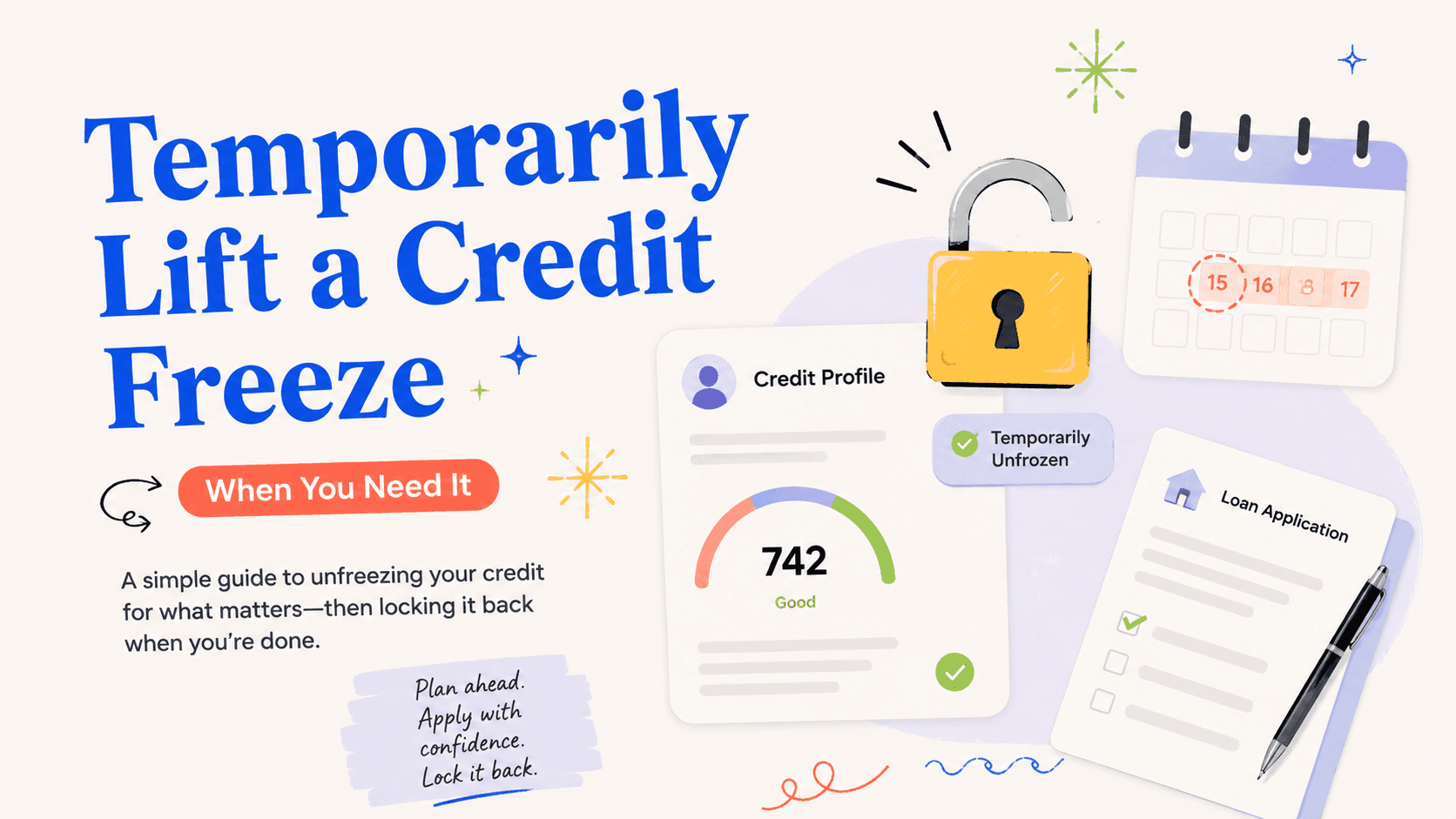
If you expect a mortgage, apartment application, auto loan, or other credit check, plan the timing of a temporary lift before the application. If your risk increases because you discover actual identity theft, review IdentityTheft.gov and consider whether an extended fraud alert is appropriate for your situation.
The decision is not permanent. The point is to keep the protection level aligned with the risk you are managing.
Choose based on access, not on which label sounds more serious
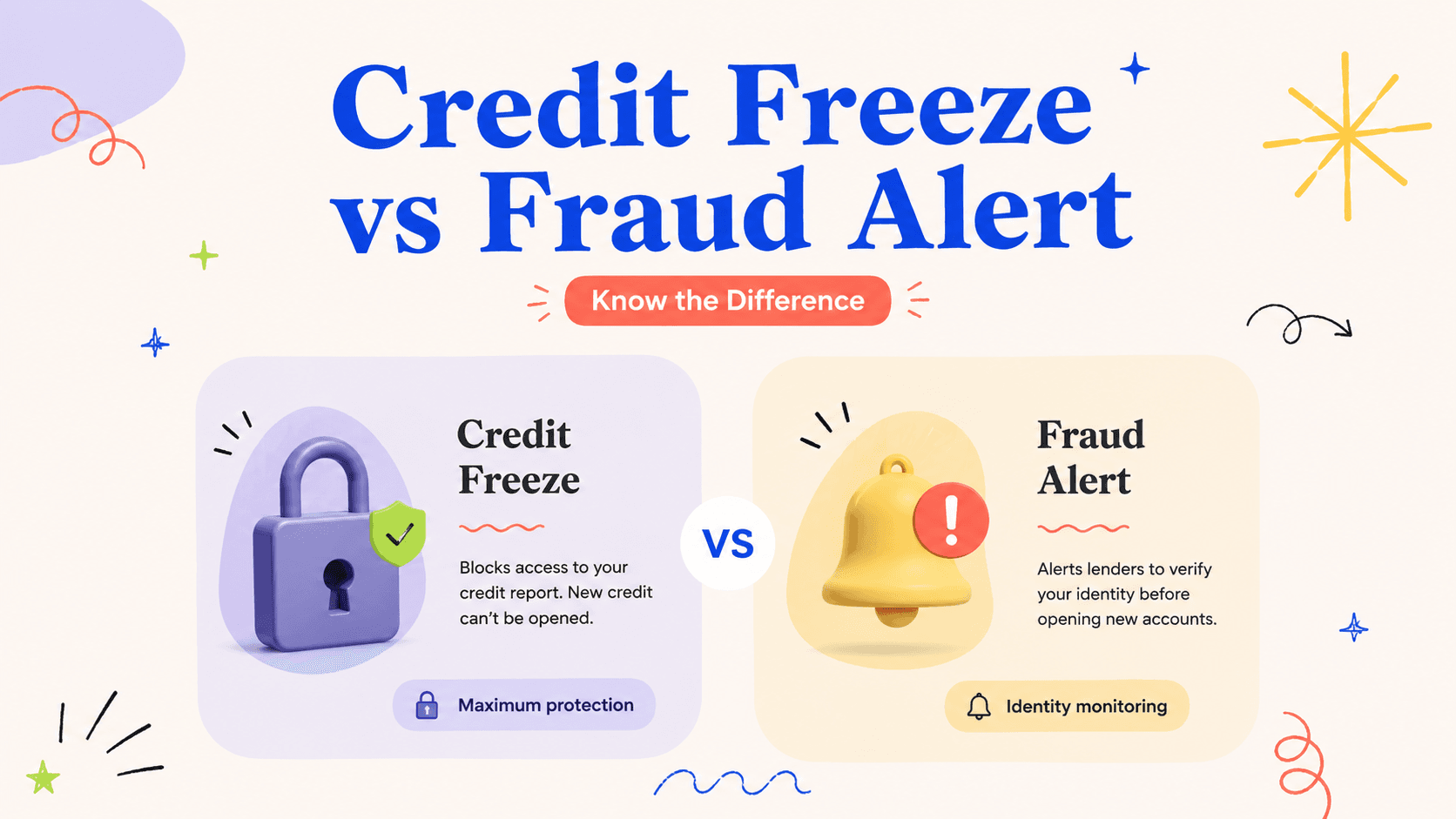
A freeze changes access to the credit file; an alert changes the verification signal shown to a business reviewing the file. That is the practical distinction to keep in mind. If your priority is reducing the chance that a new creditor can pull the report at all, the freeze is the stronger tool. If you need the report to remain available and want an added identity-check step, an initial fraud alert may fit better.
People sometimes avoid a freeze because they think it will stop existing credit cards or damage a score. The FTC says a freeze does not affect your credit score or prevent you from using existing credit cards. Knowing what the tool does can remove unnecessary hesitation.
Understand the longer alert available to identity-theft victims
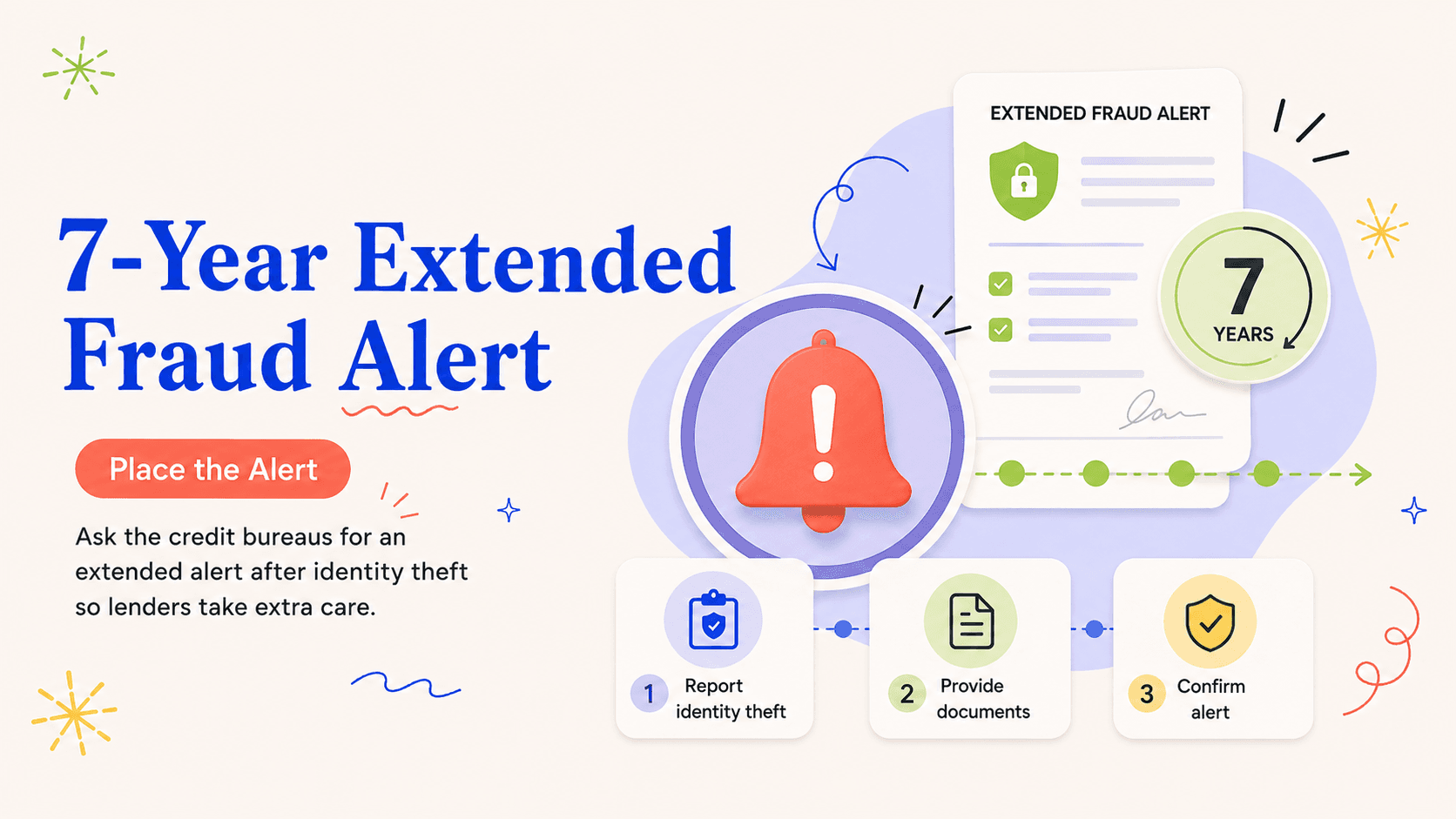
The FTC distinguishes the ordinary one-year initial fraud alert from an extended fraud alert for people who have experienced identity theft. The extended alert has different eligibility and duration. If actual misuse has occurred, review the current FTC instructions rather than assuming the initial alert is the only option.
An alert does not replace the need to close fraudulent accounts, correct credit files, or secure compromised logins. It is a credit-file signal inside a larger recovery process.
Revisit the choice before a major application
A mortgage, car purchase, apartment application, or new credit card can change the convenience trade-off. If you are frozen, ask which bureau the lender will use and plan a temporary lift. If you rely on an alert, make sure your contact information at the bureaus is current so verification attempts can reach you.
The tool should serve your life rather than become a reason to leave protection off permanently. Short, intentional changes are safer than removing a freeze indefinitely because you might apply for credit someday.
Use a simple decision test
Ask first whether you need new credit access soon. If you do not and the breach involved an SSN or other durable identity data, a freeze generally provides the stronger barrier because potential creditors cannot normally access the frozen report for a new account. If you do expect a near-term application and want the file available, an initial fraud alert may add verification without requiring repeated lifts.
Next ask whether actual identity theft has occurred. If someone opened an account or used your identity, review the FTC’s current information about extended fraud alerts in addition to freezing the reports. A longer alert can be available to identity-theft victims, but it does not close the fraudulent account or correct the file by itself. The recovery work with the creditor and bureaus still has to happen.
Finally, separate both tools from monitoring. Monitoring can tell you that something changed. A freeze can restrict access. An alert can tell a business to verify identity. Those are three different jobs. You may use more than one tool, but the decision is clearer when you name the job you need done instead of treating all three as interchangeable identity-protection products.
- Need the strongest new-credit barrier: consider a freeze.
- Need the file accessible soon: consider whether an alert fits better.
- Confirmed identity theft: review extended-alert rules and the FTC recovery plan.
- Existing-account fraud: contact that institution directly regardless of freeze or alert.