A collector sends a validation notice for a loan you never opened, and the underlying account appeared after a breach of your Social Security number.
Read the validation notice before arguing about the balance
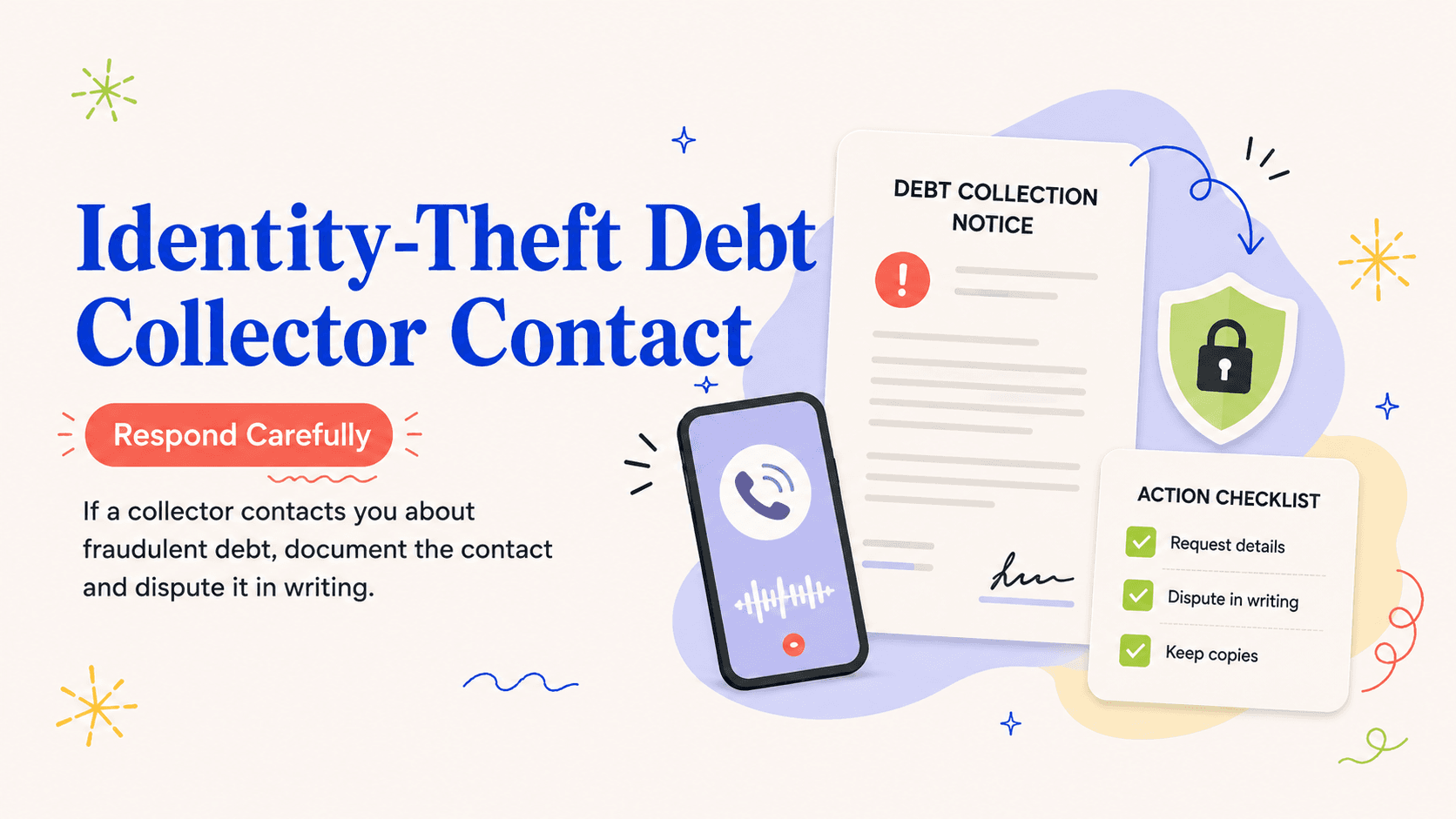
Start by treating a fraudulent identity-theft account that has reached collections as a specific response problem rather than as proof that every part of your identity has been taken over. The account can continue causing harm after it is sold or assigned for collection, so the collector's record needs its own documented response. CFPB guidance says validation information should identify the creditor, amount, account information, and the period for disputing the debt.
Preserve the notice as your first move, along with the date received and the precise data element or account it identifies. First confirm that the collector and debt are real enough to investigate; a scammer can impersonate a collector and use the breach as a reason to ask for more personal information.
First verify the collector and the debt without admitting that the balance is yours. Use contact information you independently confirm, then ask for the account details and the original creditor. A real collector should be able to identify the debt it says you owe; a scammer may only repeat personal information taken from a breach and demand immediate payment.
Use the written dispute window deliberately
The first move should reduce the most immediate pathway to misuse. Send a written dispute promptly if you do not owe the debt and preserve proof of when the collector received it.
Pick the most pressing risk first — the rest can follow in order. Do not make a token payment just to stop calls before you understand whether the debt is yours and what effect a payment could have on the dispute.
Tell the collector that the account resulted from identity theft and ask how to submit the dispute in writing. CFPB guidance explains that consumers can dispute debts they do not owe and should keep copies of communications. Send only the identity documents required by the collector's verified process and keep proof of delivery.
Handle the original creditor and collector as separate records
The collector controls its collection activity, while the original creditor or account provider controls the underlying fraudulent account records.
When an organization asks for identity documents while fixing the problem, verify the destination before uploading anything. Use the mailing or electronic dispute channel shown in a verified validation notice and keep copies rather than sending original identity documents.
Contact the original creditor separately. The creditor can investigate the application, account-opening details, transaction history, or service address that created the debt. Ask for a fraud case number and written outcome. A collector can stop pursuing a balance, but the underlying creditor record also needs to be corrected so the debt is not sold or reassigned again.
Check whether the debt also appears on your credit reports
Judge the need for a credit freeze by one question: could this data open new credit in someone else's name? If the fraudulent debt appears on a consumer report, dispute it there as well and consider the identity-theft blocking process described by CFPB.
Credit monitoring works best with a fixed reference: a dated baseline from annualcreditreport.com pulled up front. Watch for the same debt being reported by a new collector after a transfer, and compare balances and account numbers to avoid treating duplicates as unrelated fraud.
Send identity-theft documentation without surrendering originals
Consider documentation part of the response itself, not a wrap-up task. Keep the validation notice, your written dispute, proof of delivery, FTC report, creditor closure letter, and any bureau results in one case file.
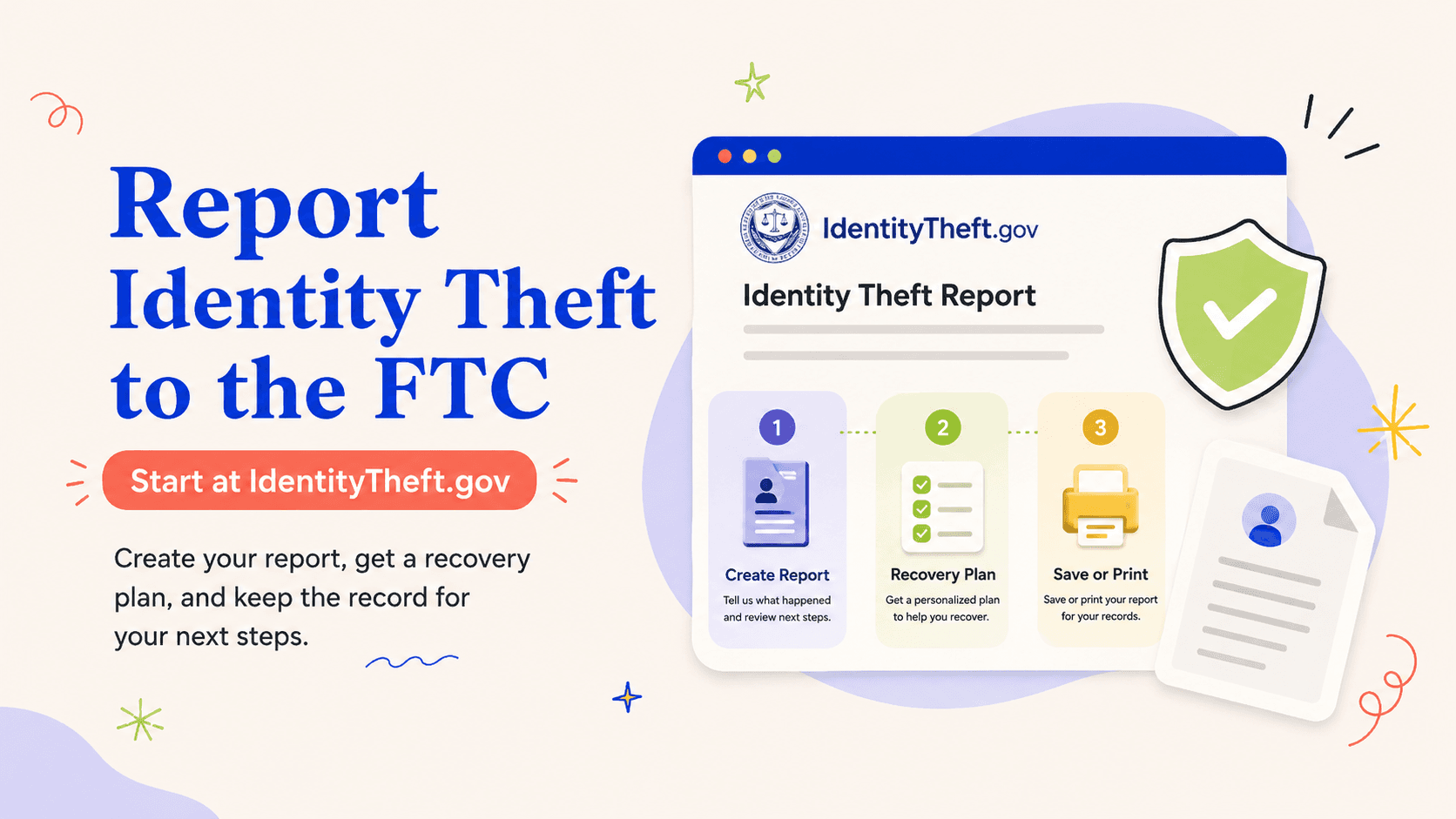
If you find actual misuse tied to the account, shift from breach preparation to identity-theft recovery. IdentityTheft.gov explains rights that can help stop fraudulent accounts from being reported and can provide an FTC Identity Theft Report for recovery requests.
Check the major credit reports for the original account and collection tradeline. If identity-theft information is being reported, follow the bureau's identity-theft or dispute procedure and preserve the report page before filing. A credit freeze helps prevent additional new accounts; it does not automatically remove a collection that is already on file.
A cease-contact request is different from deleting the debt
One control rarely fixes every consequence of a case like this. Telling a collector to stop contacting you does not by itself erase an account, resolve a credit report entry, or force the original creditor to correct its records.
Also separate exposure from confirmed misuse. A legitimate debt with an unfamiliar collector name is not identity theft, so compare the account number, original creditor, and transaction history before asserting fraud.
Do not let a fake collector harvest more identity data
Expect follow-up scams that reference the same account. A fake collector may threaten arrest, demand payment through gift cards or cryptocurrency, or refuse to provide validation information.
A legitimate recovery process should be verifiable through an established channel. Do not give bank credentials or a full SSN until you have independently verified the collector and the debt.
Follow the debt until every reporter reflects the resolution
The final move here is scheduling — get follow-up dates onto a calendar before considering this stage done. Check the collector response, original creditor record, and all relevant credit reports after each promised correction period.
The collection problem is resolved when the collector stops treating you as liable, the underlying account is documented as fraudulent, and credit reporting no longer shows the debt as yours.
Keep the FTC Identity Theft Report, collector letters, original-creditor decision, bureau disputes, and delivery receipts in one case folder. If another collector later contacts you about the same fraudulent balance, that packet lets you respond with dates and prior outcomes instead of rebuilding the history from memory.
Watch the account after the first dispute because collection ownership can change. A balance may be returned to the original creditor, transferred to another collector, or sold again if the underlying identity-theft record was not fully corrected. Keep the account number and original creditor name consistent across your file so you can recognize the same debt under a new collector's brand. If a new notice arrives after a prior fraud determination, respond with the prior case information through the new collector's verified dispute channel rather than assuming the earlier result automatically followed the debt to its new owner.