A creditor says it will not close a fraudulent account until you provide a police report.
Separate the FTC report from the police report
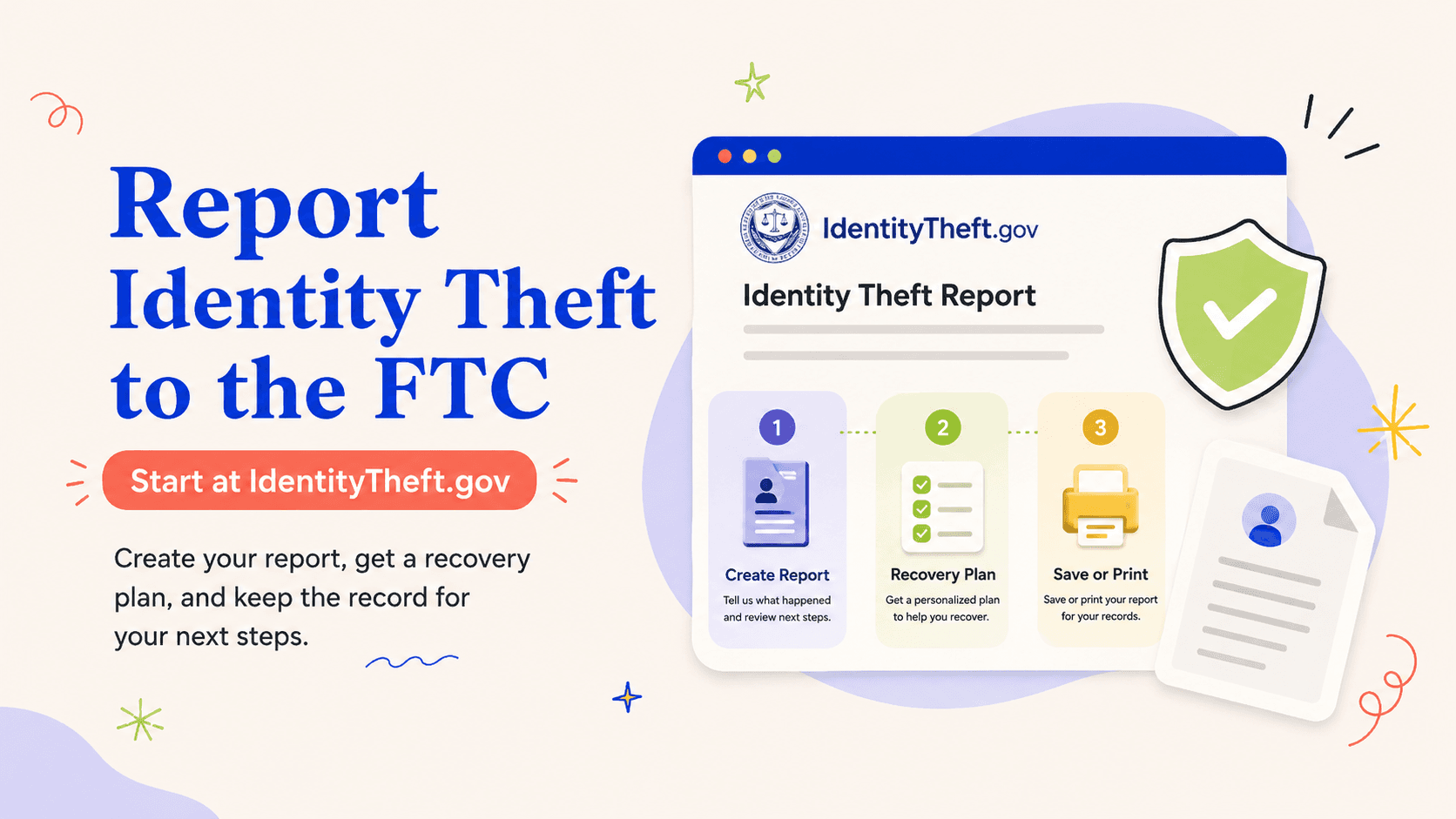
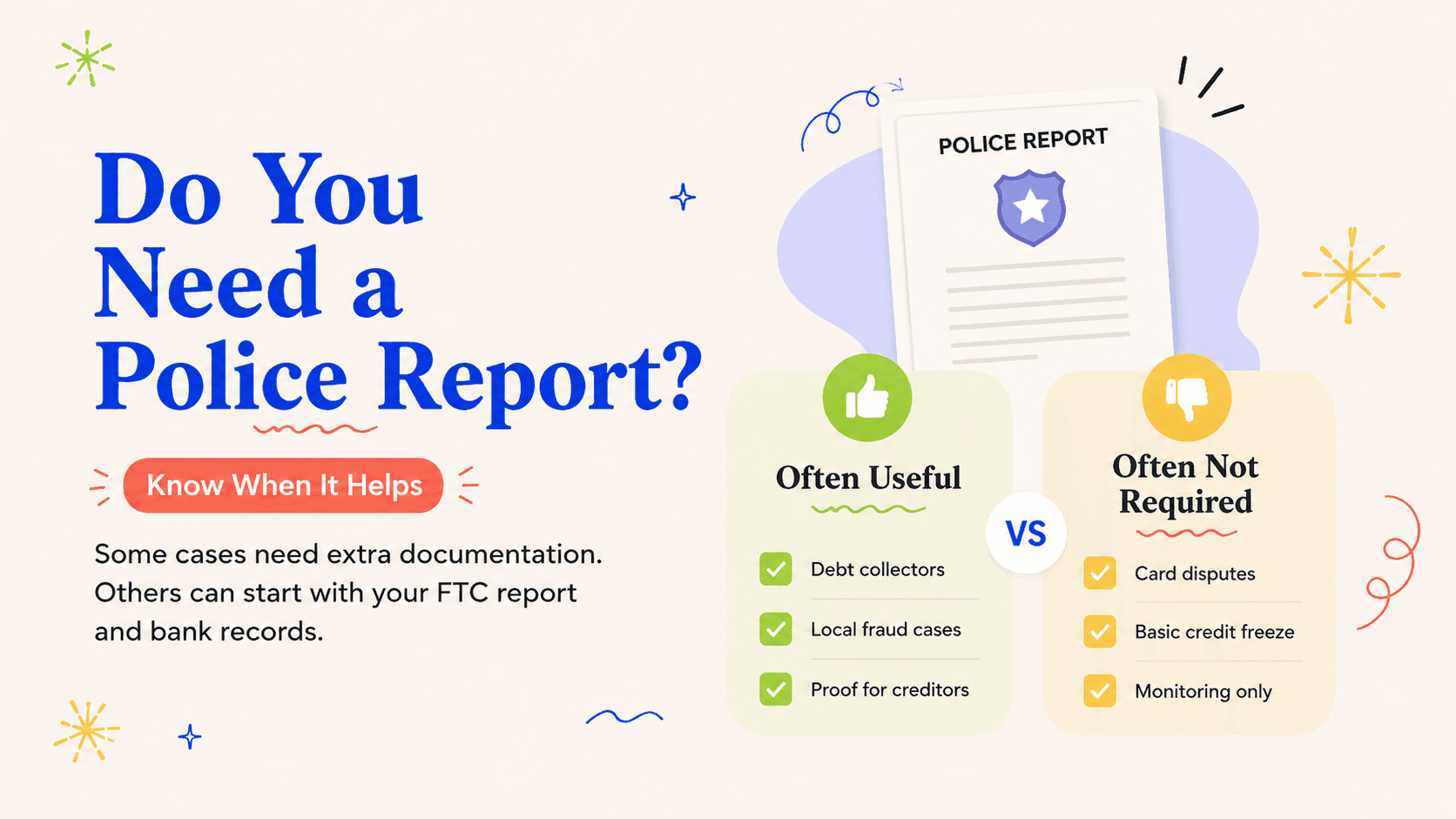
IdentityTheft.gov can create an FTC Identity Theft Report and a recovery plan. A police report is created by a local law-enforcement agency. They serve different administrative purposes and one does not automatically replace the other.
Some companies accept the FTC report for their fraud process; others may ask for a police report, especially when they want a local incident number or additional documentation.
Follow the requirement of the institution you are fixing
If a bank, creditor, insurer, or government agency tells you a police report is required, ask what information the report must contain and whether an online or telephone report is acceptable. Get the destination and case number through a verified channel.
Do not create a report merely because a breach notice arrived if you have no actual identity theft and no institution asking for one.
A police report can also document a local pattern of misuse
If your wallet, mail, identity documents, or physical records were stolen locally, a police report can connect the identity theft to that event. It may also be useful if the fraudulent activity has a clear local component.
Bring a concise timeline and copies rather than surrendering your only originals.
Federal resources still belong in the recovery plan
IdentityTheft.gov’s resources note that local police can encourage victims to create an Identity Theft Report and can take a police report if asked; some businesses require the police report to remove fraudulent debts. The SSA also lists a local police report among actions to consider when someone is using your SSN.
Use these tools together rather than treating the choice as either federal or local.
Keep a certified or downloadable copy if available
Recovery can take months. Save the report number, agency, date, and a copy of the report if the department provides one. Record where you submitted it and what each recipient said it would do next.
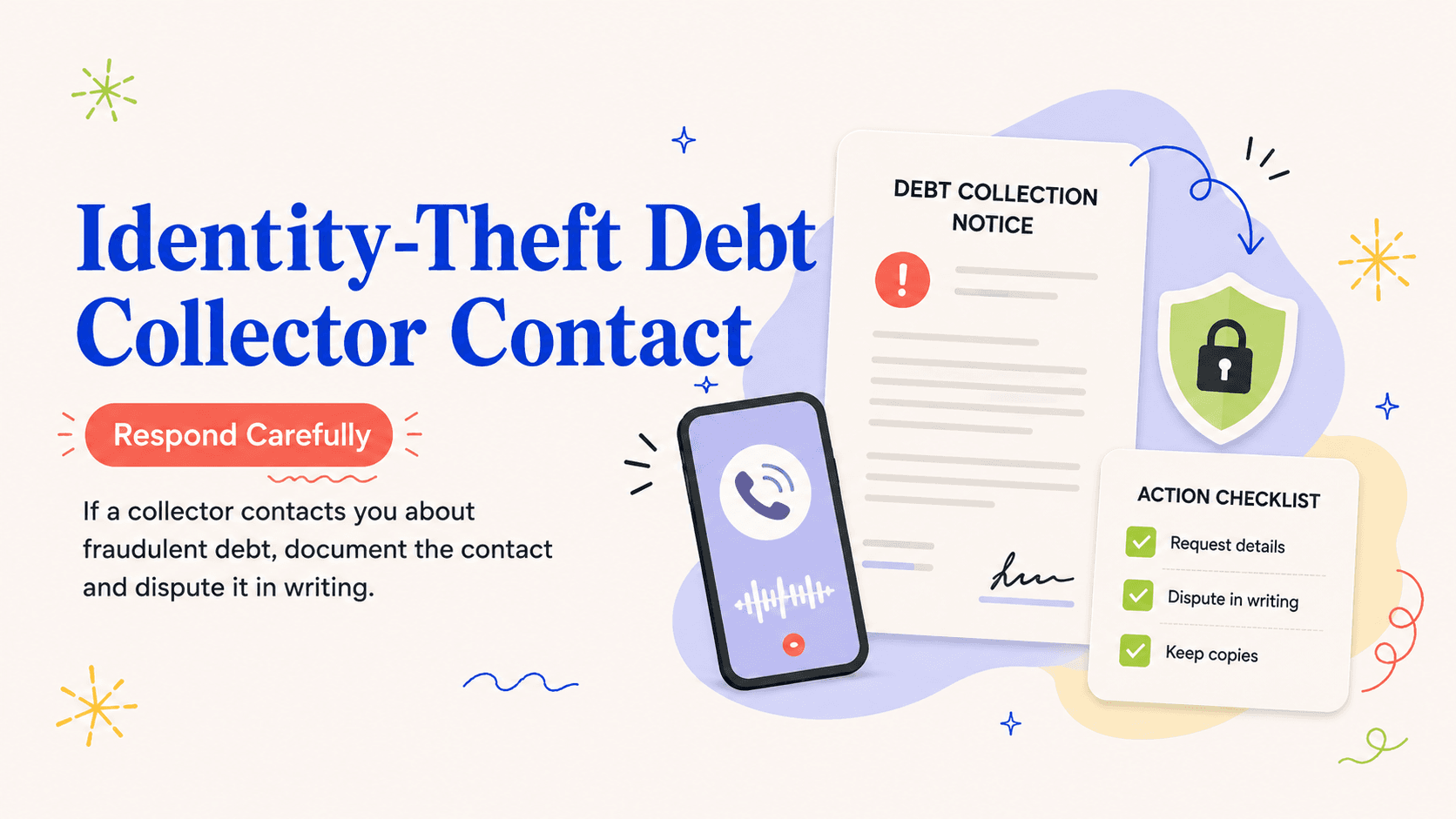
That paper trail becomes especially important if a fraudulent debt is sold or transferred while you are disputing it.
Ask whether the institution needs a report number or the full report
Requirements vary. One creditor may only need the local incident number; another may ask for a copy of the police report as part of its fraud packet. Before visiting a station, ask the verified fraud department exactly what it needs and whether the report must identify the specific account or amount. That can prevent a second trip caused by an incomplete description.
Bring copies of the relevant statements, FTC report, breach notice, and identification if the police department’s instructions call for them. Keep the originals unless an agency specifically requires otherwise.
Use the jurisdiction the department instructs you to use
Identity theft can involve your home, the location of a stolen wallet, the address used by the thief, or an online transaction in another state. Police departments have their own procedures for accepting reports. Call the non-emergency line or check the department’s official site to find out where and how to file.
If an online reporting system is available, save the submission confirmation and later retrieve the final report if the system distinguishes between the two.
Do not let the police-report step delay urgent account security
If a bank account is actively compromised or a fraudulent credit account is open, secure those systems immediately while you arrange the police documentation. A report is evidence; it is not a substitute for freezing credit, replacing credentials, contacting the creditor, or following the IRS process in a tax case.
Keep the recovery order practical: stop ongoing damage, preserve evidence, then satisfy the documentation requirements that support cleanup.
Example: a creditor requires local law-enforcement documentation
Imagine a lender confirms that a fraudulent line of credit was opened in your name but tells you its fraud policy requires a police report. Ask whether it needs only an incident number or a copy of the completed report, and whether an online filing is acceptable. Then check your local police department’s official website or non-emergency line for the correct jurisdiction and filing process.
Prepare a concise packet: identification, the lender statement or credit-report entry, the FTC Identity Theft Report if you already have one, the original breach notice if relevant, and a one-page timeline. Bring copies. Describe facts you can document and avoid guessing who committed the theft. Request the incident or report number and ask when a copy will be available.
Submit the required police documentation to the lender through its verified fraud channel and record the date. Continue the other recovery steps at the same time—credit freezes, bureau blocks, password changes, or bank action—because the police report itself does not stop ongoing misuse. Keep the police report with the FTC report so you can satisfy another creditor later without reconstructing the case.
- Confirm exactly what the creditor requires.
- Use the police department’s official filing process.
- Bring a short evidence packet, not your only originals.
- Save the incident number and final report.
- Do not wait for the report before stopping active fraud.
Know when the report has done its job
The police report is useful when it satisfies a documentation requirement, records a local theft, or helps tie related fraudulent activity together. It is not a signal that law enforcement will manage your credit, tax, or bank recovery for you. Continue following up with each institution until the fraudulent account, transaction, or record is corrected. Keep the report number available, but avoid repeatedly sending the full police report to organizations that only need a case number or the FTC documentation.