You receive an IRS notice saying your child’s Social Security number was used on another return, and you do not know anyone who should have claimed the child.
Start with the exact IRS notice, not a generic identity-theft script
Start by treating an unexpected IRS notice involving a child or dependent as a specific response problem rather than as proof that every part of your identity has been taken over. A dependent’s SSN can be misused on a tax return or for employment even when the child has never had a credit account. IRS guidance says to first verify that the dependent information on your own return is correct and consider whether another authorized person could have claimed the dependent.
What matters first is documentation — the notice itself, its arrival date, and the exact data point or account it names. The IRS may send different notices for duplicate dependent claims, employment-related identity theft, or other tax-account problems, so the notice number matters.
Verify the IRS notice before acting. Use the notice number and contact information checked against IRS.gov rather than calling a number from an unrelated text or email. Tax identity theft involving a dependent can surface when the IRS says an SSN was used on another return or when a dependent cannot be claimed as expected.
Rule out a filing mistake or authorized dependent claim
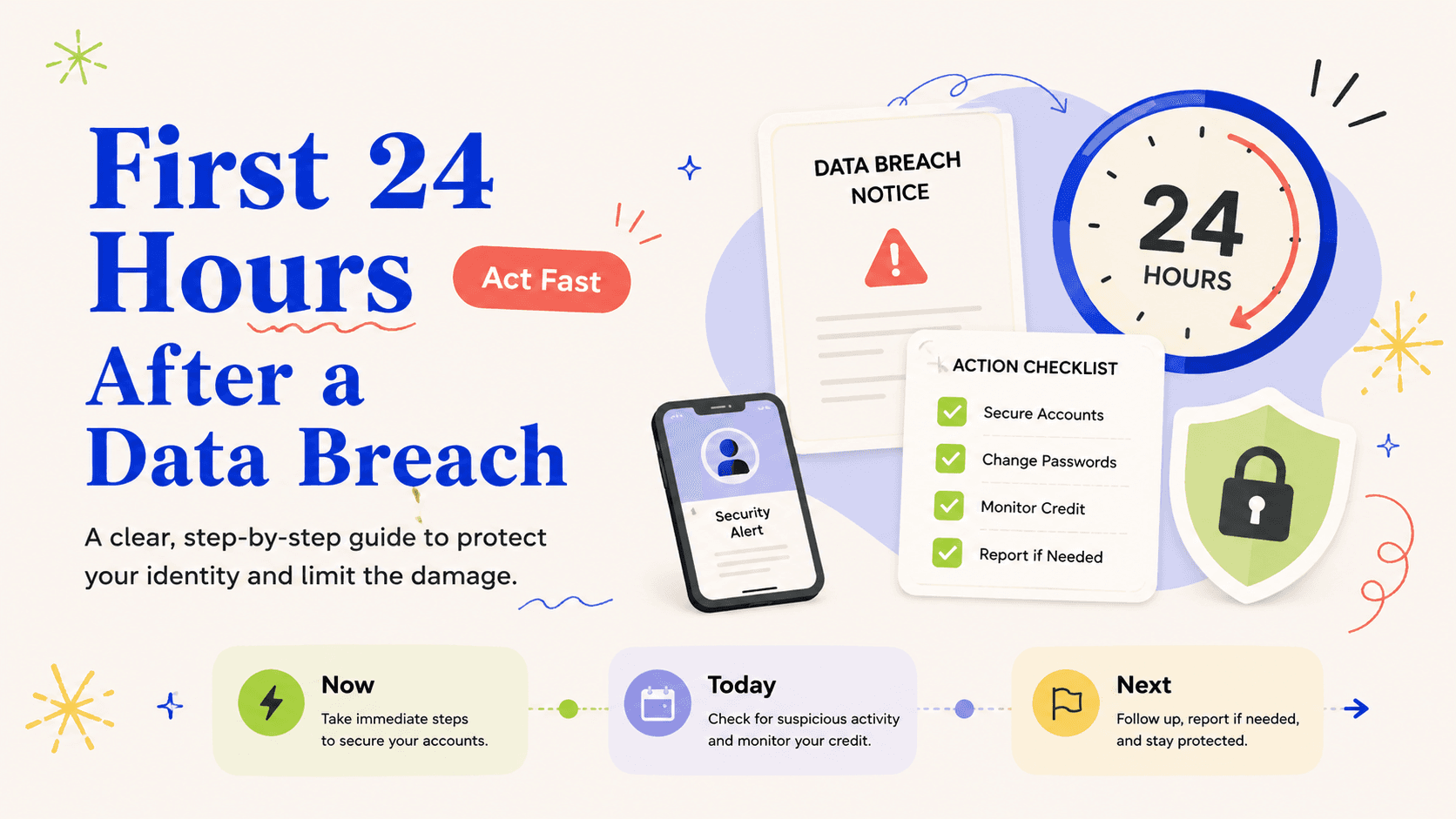
The opening move should be whatever blocks the most pressing misuse risk. Read and follow the instructions on the actual IRS notice and use the phone number or IRS.gov page tied to that notice rather than a general callback from a text message.
Do not try to solve every possible consequence at once. If the dependent’s SSN was used without authorization, document the tax issue while also checking whether the child’s identity was misused in credit, medical, or other systems.
Follow the instructions for the specific tax return or notice. IRS guidance for dependent identity theft explains that the right response can depend on whether the problem was discovered during electronic filing, through an IRS letter, or through another sign of misuse. Do not automatically file Form 14039 for every suspicious message; use it when IRS instructions call for the affidavit.
Use the IRS process that matches the tax problem
Here, IRS Form 14039 is the Identity Theft Affidavit and the current form includes situations involving a dependent child or dependent relative.
Don't assume a request for ID documents is real — confirm the destination before sending anything. Submit the affidavit only through the IRS method that fits the situation; the IRS warns against filing duplicate affidavits for the same incident.
Keep the child's or dependent's tax information tightly controlled during the recovery. Do not email full Social Security cards, birth certificates, or tax returns to a person who claims to be an IRS helper. Submit documents only through the official process identified by the verified IRS instructions and keep copies of what was sent.
Keep the child’s broader identity-theft recovery separate
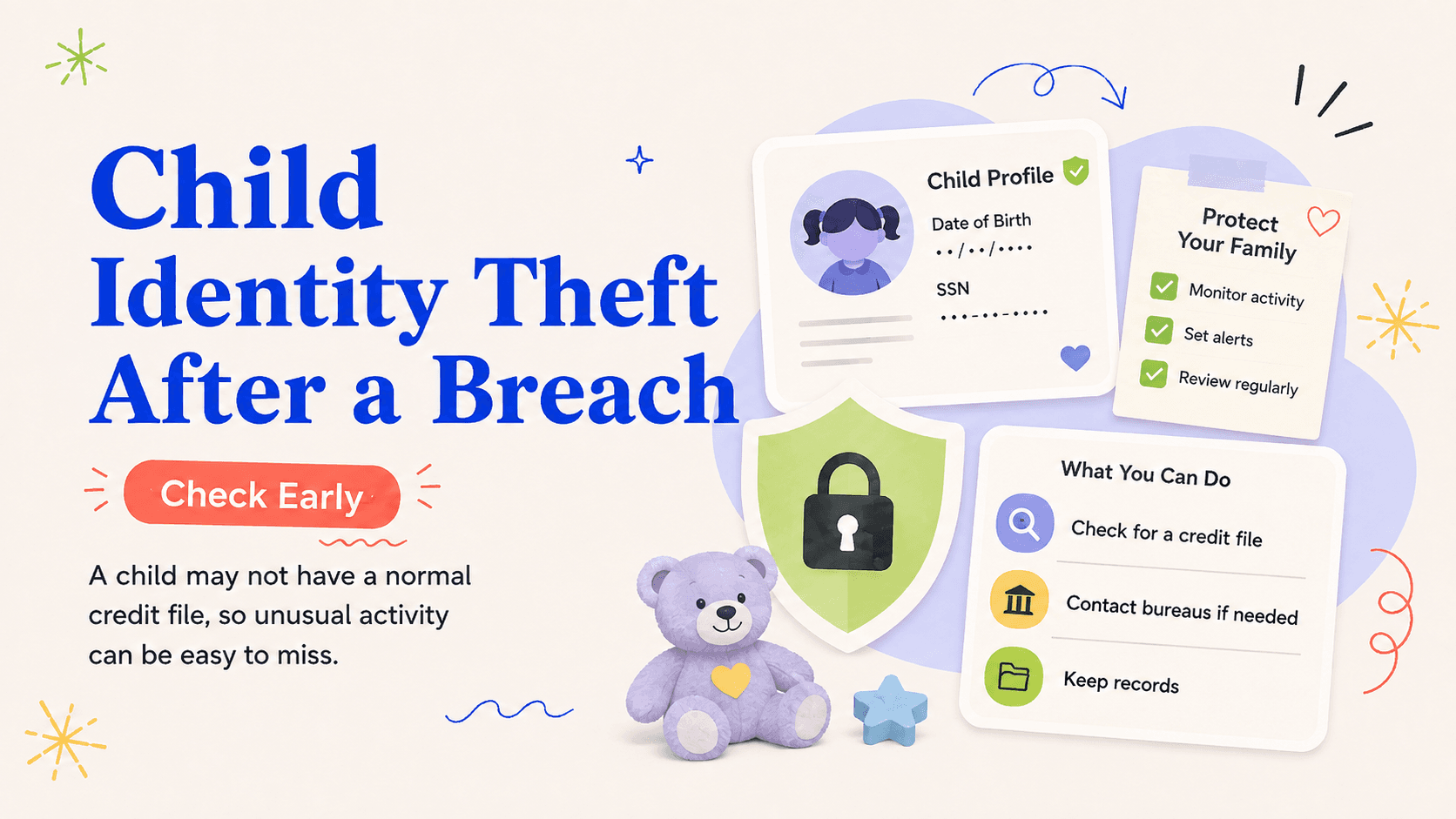
Not all exposures call for a credit freeze; it's relevant specifically when new-credit risk is on the table. A tax identity-theft case does not automatically create a credit file, but a separate child credit freeze may be reasonable after an SSN exposure.
In cases where it's called for, credit monitoring should open with a dated report pulled from annualcreditreport.com. Keep future IRS letters, e-file messages, W-2s, and dependent claim notices together so a recurring misuse pattern is easy to identify.
Collect proof before the IRS asks for it
Think of record-keeping as one of the working steps, not a formality to check off. Preserve birth certificates, guardianship records, residency evidence, and tax filings because the IRS may later ask for documents supporting your right to claim the dependent.
Confirmed misuse marks the transition point: preparedness ends, identity-theft recovery begins. FTC child-identity guidance remains useful for non-tax accounts, while the IRS controls correction of the federal tax account.
Check whether the issue is limited to the tax system or part of broader child identity theft. A credit file, collection notice, health claim, or government-benefit record in the child's name would need a separate response. Freezing a child's credit can help prevent new-credit misuse, but it does not resolve a tax return already filed with the child's SSN.
Understand what the IRS cannot disclose about another return
One control rarely fixes everything here. Privacy rules can prevent the IRS from telling you who used the dependent’s SSN on another return, so the recovery goal is correction rather than identifying the other filer.
Also separate exposure from confirmed misuse. Duplicate dependent issues can arise from family misunderstandings or filing errors, which is why verification should come before an accusation of criminal identity theft.
Ignore tax-recovery calls that arrive outside the notice process
Expect follow-up scams that use this same pretext. Tax impostors may use a real breach or dependent issue to demand immediate payment or threaten arrest.
A legitimate recovery process should be verifiable through an established channel. Use the contact instructions printed on the IRS notice or navigate to IRS.gov yourself before sharing dependent information.
Prepare the dependent’s records for future filing seasons
This phase ends with scheduling, not remembering: put the follow-up dates on a calendar now. Save the final IRS correspondence and review the next filing season for duplicate-dependent or employment-related notices.
The tax issue is contained when the IRS process is complete, the dependent’s records are organized, and any non-tax identity misuse has separate recovery steps.
Save the IRS notice, filing rejection, correspondence, and any identity-theft case references for future tax years. A dependent-related identity issue can affect later filings, so a clean timeline helps if the same SSN triggers another mismatch. Recheck IRS guidance each filing season because forms and identity-protection procedures can change.