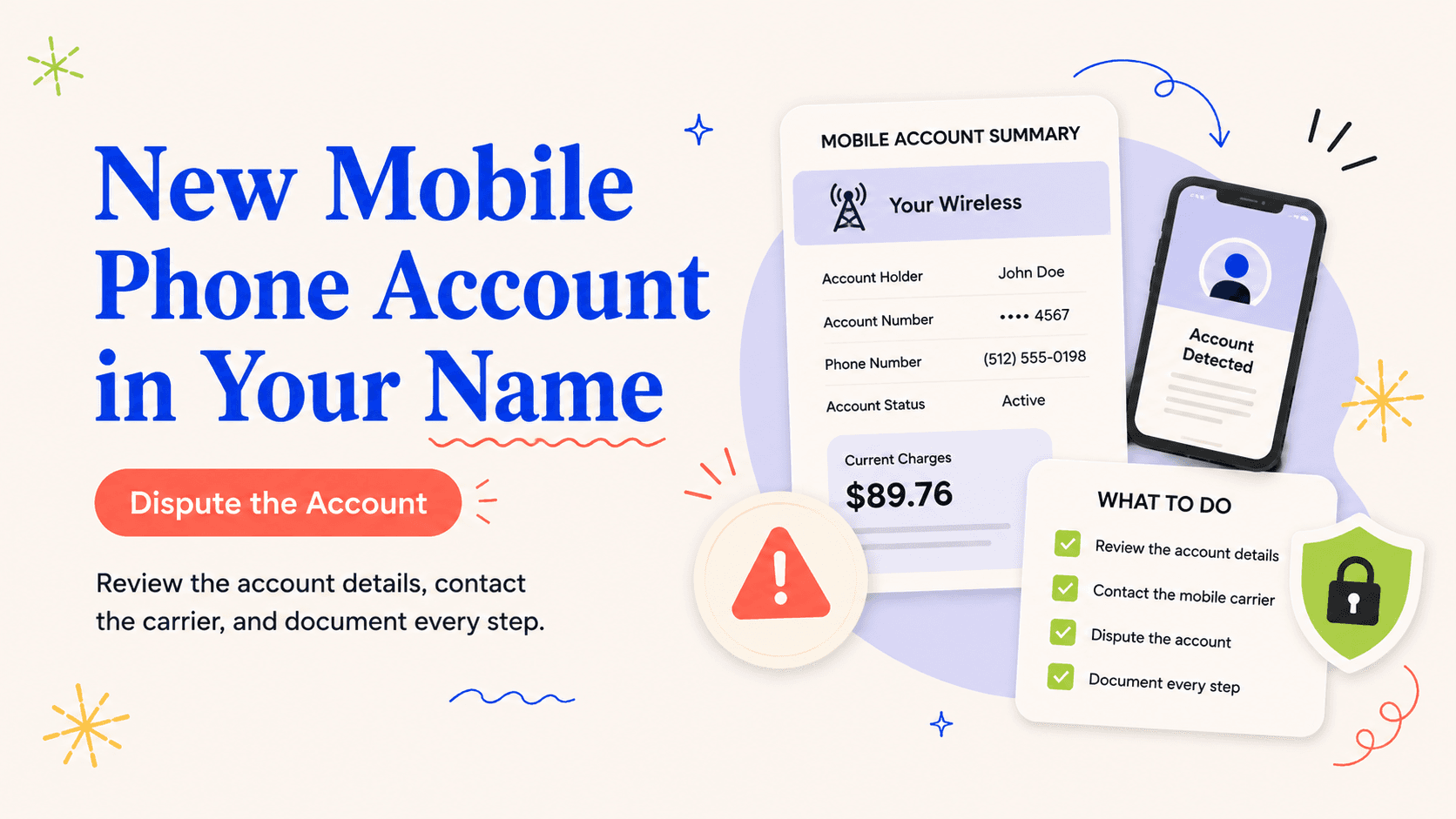
You receive a bill or collection notice for a wireless account at a carrier you have never used, shortly after a data breach involving your identity information.
Confirm the carrier account without feeding a scammer more data
Start by treating a mobile phone account opened in your name without permission as a specific response problem rather than as proof that every part of your identity has been taken over. A fraudulent mobile account can create service charges, device financing, collections, and a platform for further account takeover if the thief also controls a phone number. Use the carrier’s public website or a number from an independently located source to confirm the account number and whether the bill is genuinely tied to your identity.
The notice itself is the starting point — keep it, date it in your notes, and identify the specific data element it mentions. Do not provide a full SSN or payment card to an inbound caller merely because the caller quotes a plausible wireless bill.
Verify the wireless account through the carrier's public fraud channel before sharing more identity data. Ask for the account number, service address, activation date, device or financing details, and the carrier's case number. Those facts help distinguish a genuine identity-theft account from a fake collection demand built around information from a public breach.
Reach the carrier fraud team through a known route
Whatever cuts off misuse fastest should come first. Tell the carrier fraud department the account was not authorized, ask it to stop new charges, and request written confirmation of the investigation or closure.
Do not try to solve every possible consequence at once. If your real phone number also stopped working or was moved, treat that as possible SIM-swap or port-out activity and secure your existing carrier account immediately.
Tell the carrier clearly that you did not authorize the account and ask what it needs to investigate and close the fraudulent line. If device financing is attached, confirm that the financing balance is included in the fraud review. A line closure by itself may not remove a separate installment balance or collection record.
Check telecom records as well as traditional credit files
Here, IdentityTheft.gov specifically recommends contacting the service provider for fraudulent phone service and explains that telecom records can reveal accounts you do not recognize.
If identity documents are requested along the way, pause and verify the requester before uploading. Ask the carrier what documentation it requires and upload it only through the carrier’s verified fraud process.
Check all three credit reports for carrier-related inquiries or tradelines. Some wireless products involve consumer reports while others may surface through specialty telecom systems or collections. Save any unfamiliar inquiry or account before disputing it so you can give the carrier and reporting company the same dates and account identifiers.
Look for connected devices, financing, and inquiries
Credit-report protections apply selectively — only when the exposure genuinely threatens new-account risk. Device financing or postpaid wireless accounts may create inquiries or tradelines, so review all three credit reports for related activity.
If this warrants credit monitoring, the first move is a dated report from annualcreditreport.com to compare against later. Also look for telecom or utility records, collection letters, and confirmation emails connected to addresses or devices you do not recognize.
Use an FTC report to support a clean paper trail
The record-keeping happening now is doing real work toward resolving this, not just archiving. Save the first bill, account number, service address, device information, carrier case number, and every written response showing the account is disputed.
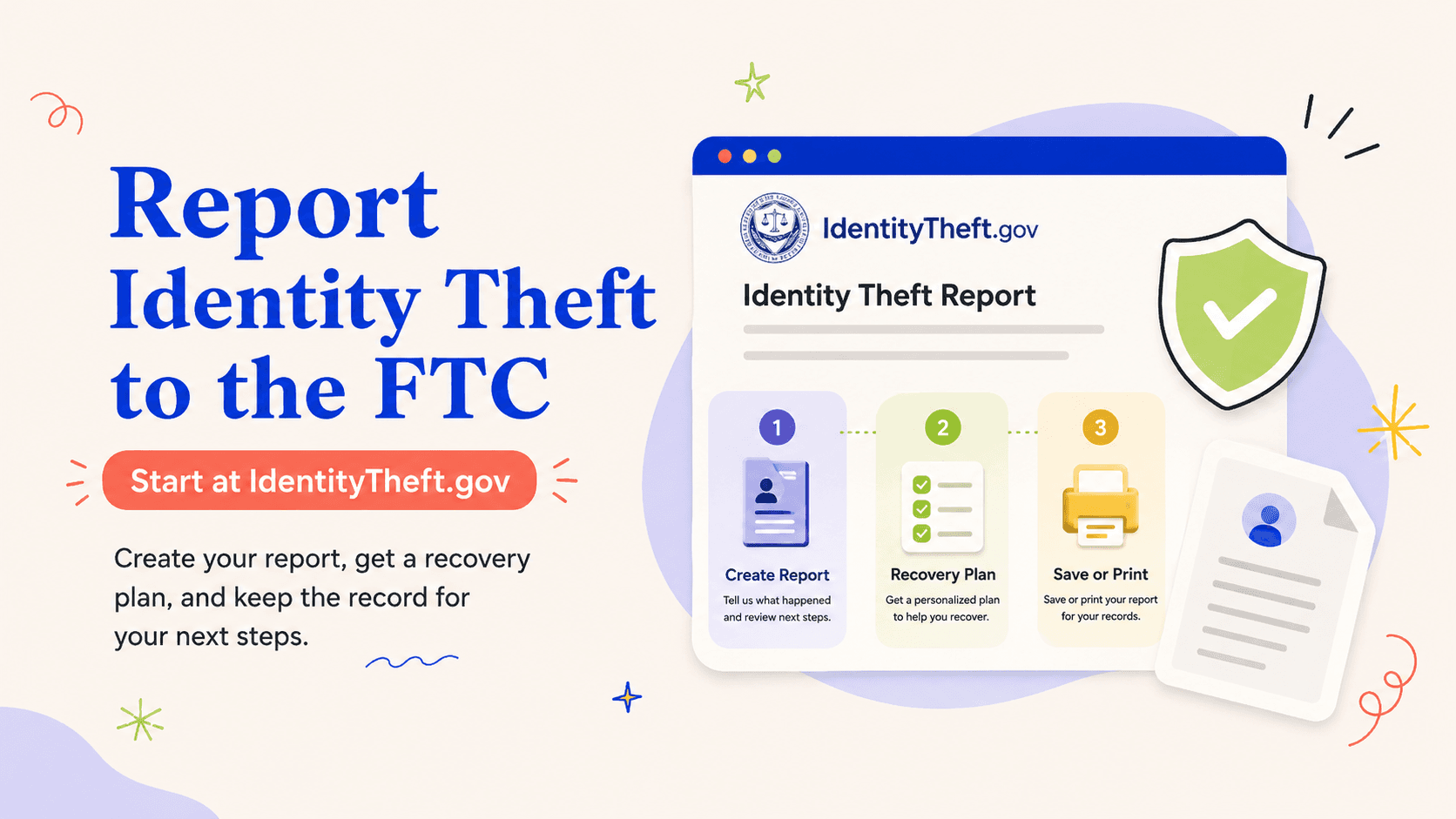
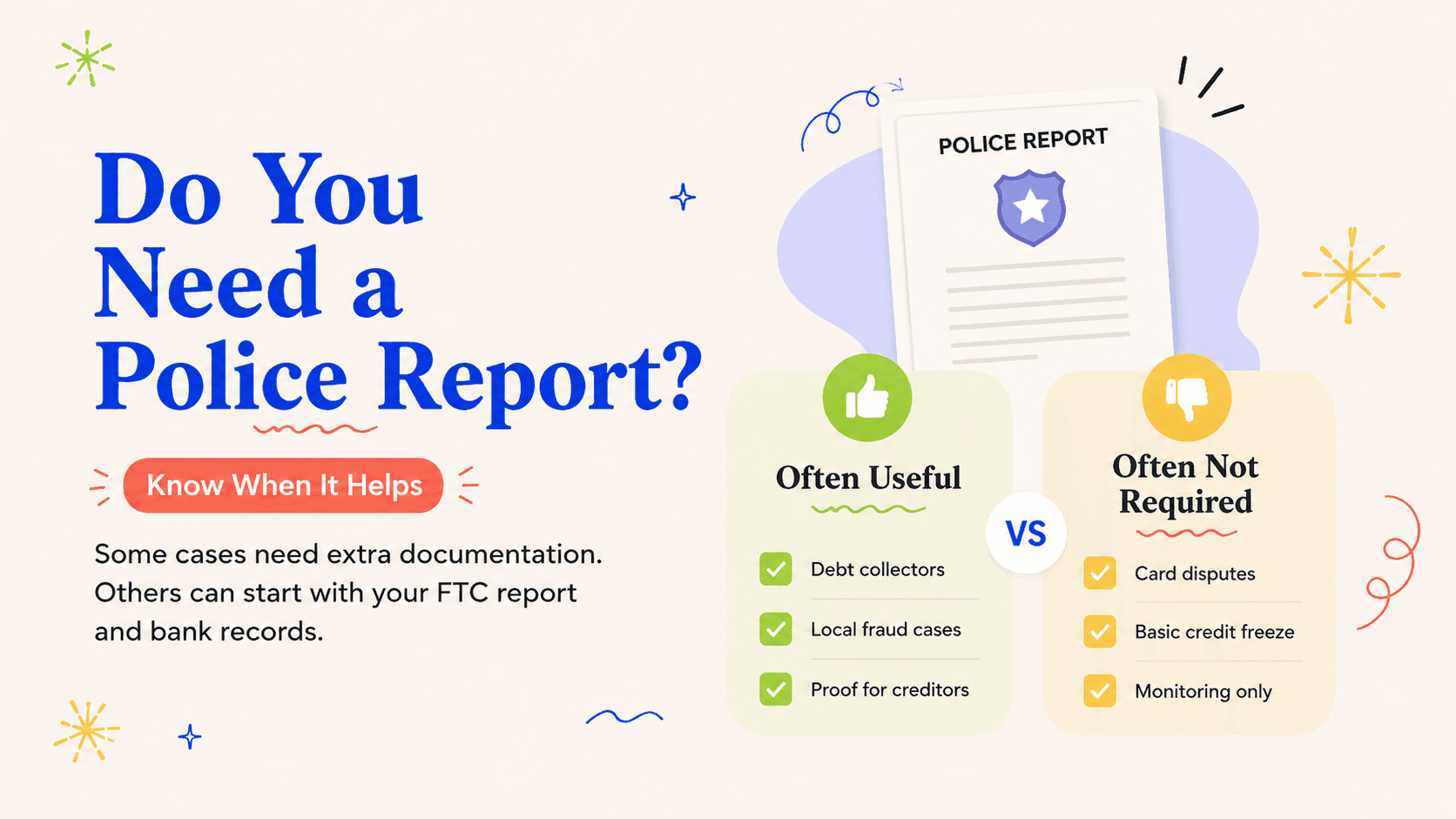
Verified misuse reclassifies this entirely — from breach response into identity-theft recovery. Create an FTC Identity Theft Report when the account is confirmed fraudulent so you have standardized documentation for the carrier, bureaus, or collectors.
Create an FTC Identity Theft Report once the account is confirmed as fraudulent. Keep it with the carrier case, bills, collection letters, and bureau disputes. Consistent documentation is especially useful if the wireless account moves to a collector or if multiple lines were created under the same stolen identity.
Do not assume closing the line removes every related debt
One control rarely fixes everything here. Closing the wireless line does not automatically remove a device-financing balance, collection account, or credit inquiry created during the same fraud.
Also separate exposure from confirmed misuse. A family-plan misunderstanding or old account under a changed carrier name can look unfamiliar, so verify the account details before escalating it as identity theft.
Expect collection and carrier impersonation attempts
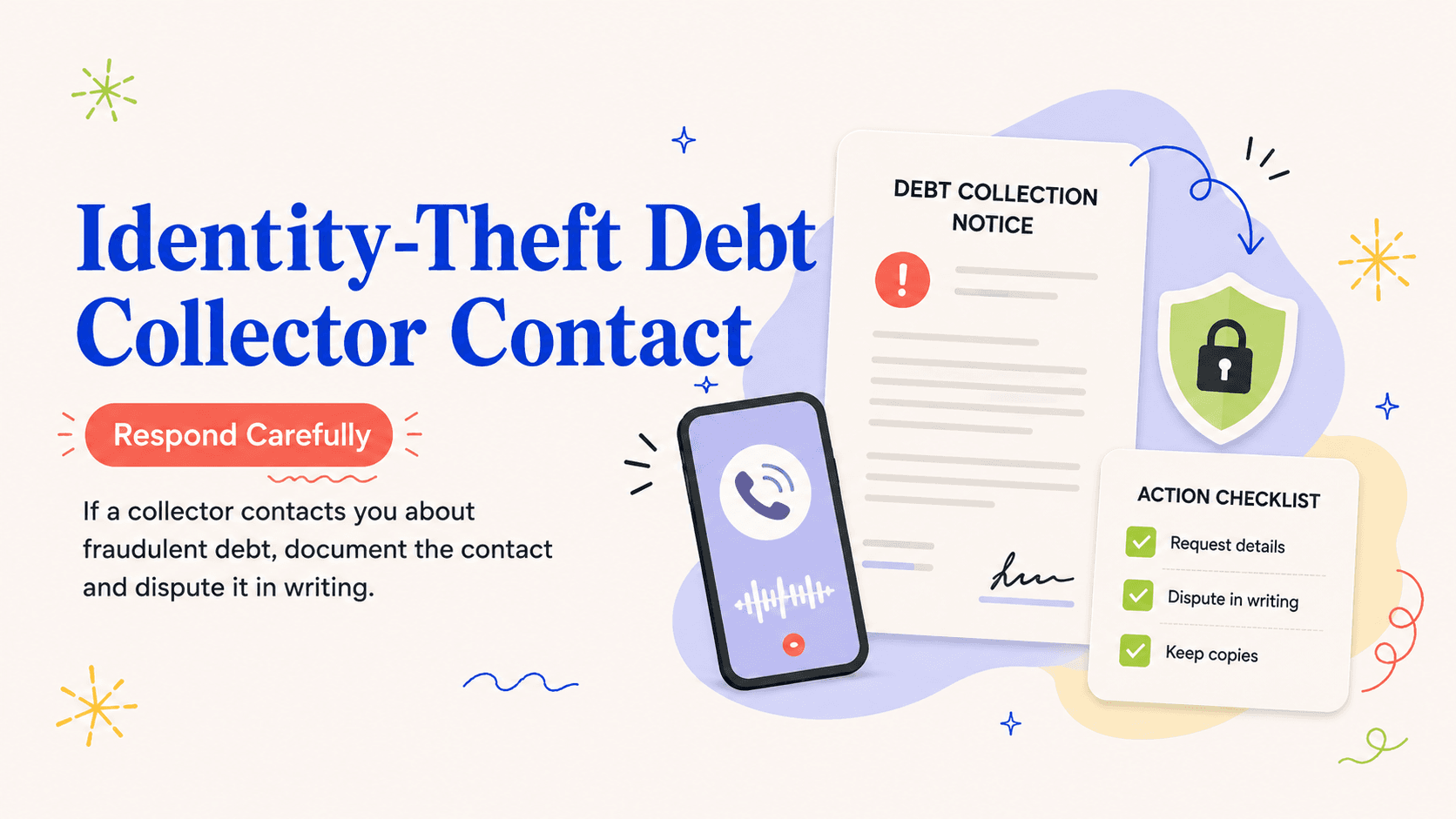
Expect follow-up scams that use this same pretext. A fake collector may exploit a real breach by claiming you owe an urgent carrier balance and demanding immediate payment.
A legitimate recovery process should be verifiable through an established channel. Verify both the carrier and any debt collector independently before sending money or identity documents.
Verify the account stays closed and the debt stays removed
Put hard dates on a calendar to close this out; relying on memory is how follow-ups get missed. Check for a zero balance, written closure, removed collection activity, and corrected credit information after the carrier’s stated processing period.
The case is contained when the fraudulent line cannot be reactivated, related financing or collections are corrected, and you retain proof of the outcome.
If your real phone suddenly loses service at the same time, treat that as a separate emergency. A port-out or SIM-swap can intercept calls and authentication codes. Contact your existing carrier immediately, secure the carrier login, and then review high-value accounts that rely on the phone number for recovery.
Ask whether the fraudulent carrier account used electronic billing, a mailing address, or an email address you do not recognize. Those details can reveal where future collection notices may go and whether another account was used to receive verification codes. If the carrier will provide application records through its identity-theft process, preserve them before the account is fully purged. The goal is not to investigate the thief yourself; it is to make sure the carrier, any collector, and the credit bureaus are correcting the same account and that a second line or device financed in the same application is not overlooked.