A lender closed a fraudulent account but you still need the application details to understand which address, phone number, or transaction channel the thief used.
Know what records can add to an identity-theft case
Start by treating a request for records connected to identity theft as a specific response problem rather than as proof that every part of your identity has been taken over. Application and transaction records can reveal addresses, phone numbers, devices, signatures, merchants, or other details that connect multiple fraudulent events. Identify the specific business, account, transaction, or application involved so your request does not become an open-ended search for every record the company holds.
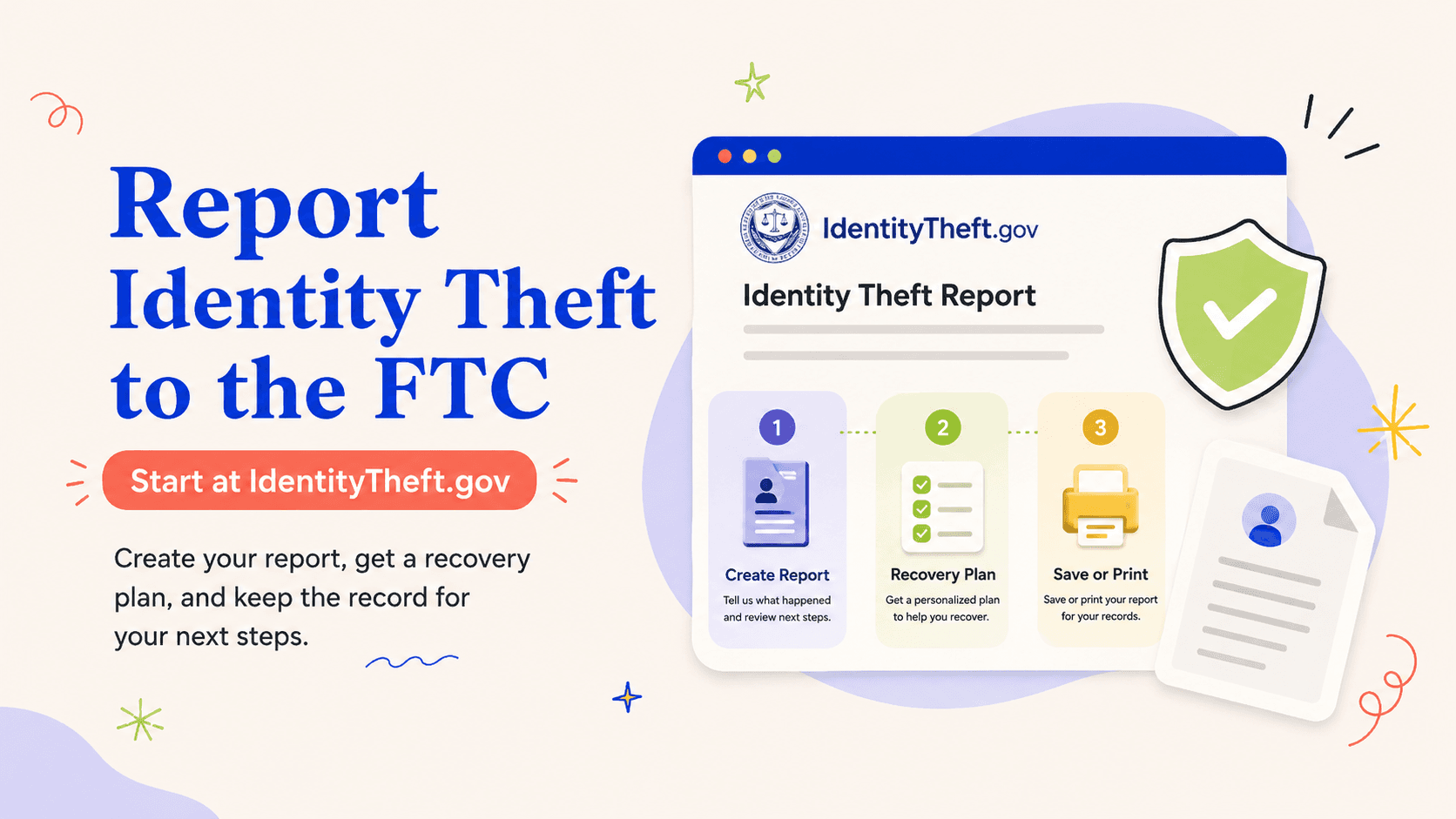
Set the notice aside for your records, note the date it arrived, and identify exactly what data point or account it names, before contacting anyone. IdentityTheft.gov explains that identity-theft victims have rights to obtain certain documents related to the theft, subject to the process and proof the company requires.
Before requesting records, identify the exact fraudulent account or transaction and the business that holds the underlying application data. A broad request for 'everything about the breach' is different from a request for records tied to an account opened with your identity. Write down the account number, application date, or transaction reference so the business can locate the right file.
Ask the business that actually holds the records
The first move should reduce the most immediate pathway to misuse. Ask the company’s fraud or identity-theft department where to send a written records request and what copy of the FTC Identity Theft Report or proof of identity it needs.
Resist the urge to tackle every downstream risk simultaneously. Request the records most likely to explain an open dispute, such as a fraudulent credit application or transaction record, before collecting documents that do not affect recovery.
IdentityTheft.gov explains rights that can help victims obtain information about transactions or accounts created through identity theft. Follow the business's verified identity-theft records process and provide the documentation it requires, which may include proof of identity and an Identity Theft Report. Keep a copy of the request and proof that it was delivered.
Make the request specific enough to be useful
The business that created or holds the fraudulent account records is normally the source of application or transaction documents, not the credit bureau that merely reports the account.
If asked for identification documents, confirm the source is genuine first; scammers use this step to phish more data. Send the request through a verified address or portal and keep proof of delivery or submission.
Ask for records that can answer concrete questions: the application contact information, delivery or service address, transaction dates, account-opening channel, or other non-privileged details the company can provide. Avoid asking an employee to speculate about who the thief was. The purpose is to collect evidence that supports correction and recovery.
Pair the records with credit and account corrections
Only pursue a credit freeze when the exposed data creates genuine new-credit exposure. If the records confirm a fraudulent account, use them alongside the FTC report and bureau process to support corrections rather than assuming the business request itself changes the credit file.
A dated pull from annualcreditreport.com gives credit monitoring something concrete to compare future reports against. Compare names, addresses, phone numbers, dates, and account identifiers in the returned records against other fraud events in your incident log.
Keep proof of what you requested and what was produced
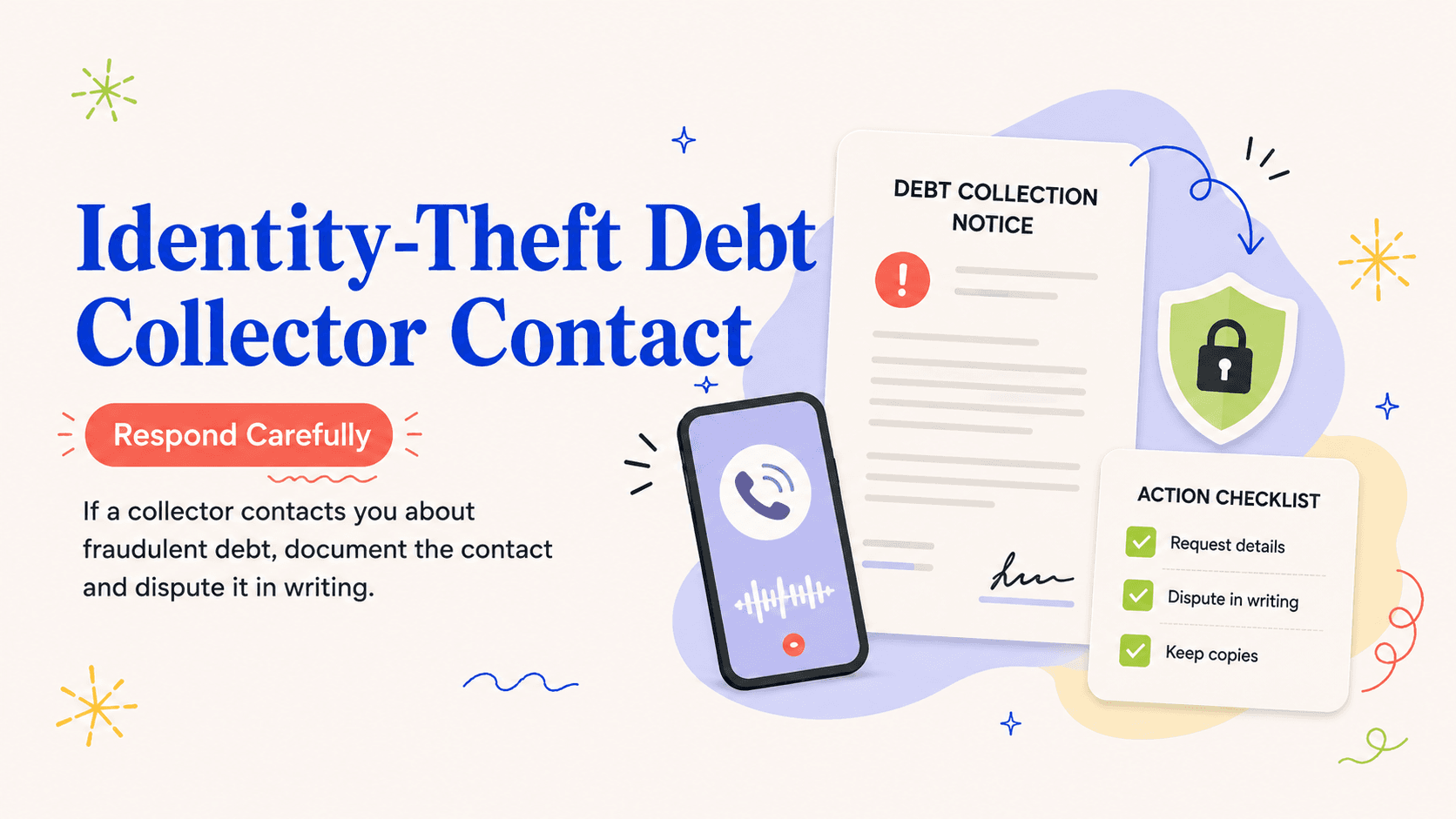
Keeping records isn't optional housekeeping — it's an active piece of getting this resolved. Keep a copy of the request, identity documentation submitted, delivery proof, company response, and the produced records in a dated folder.
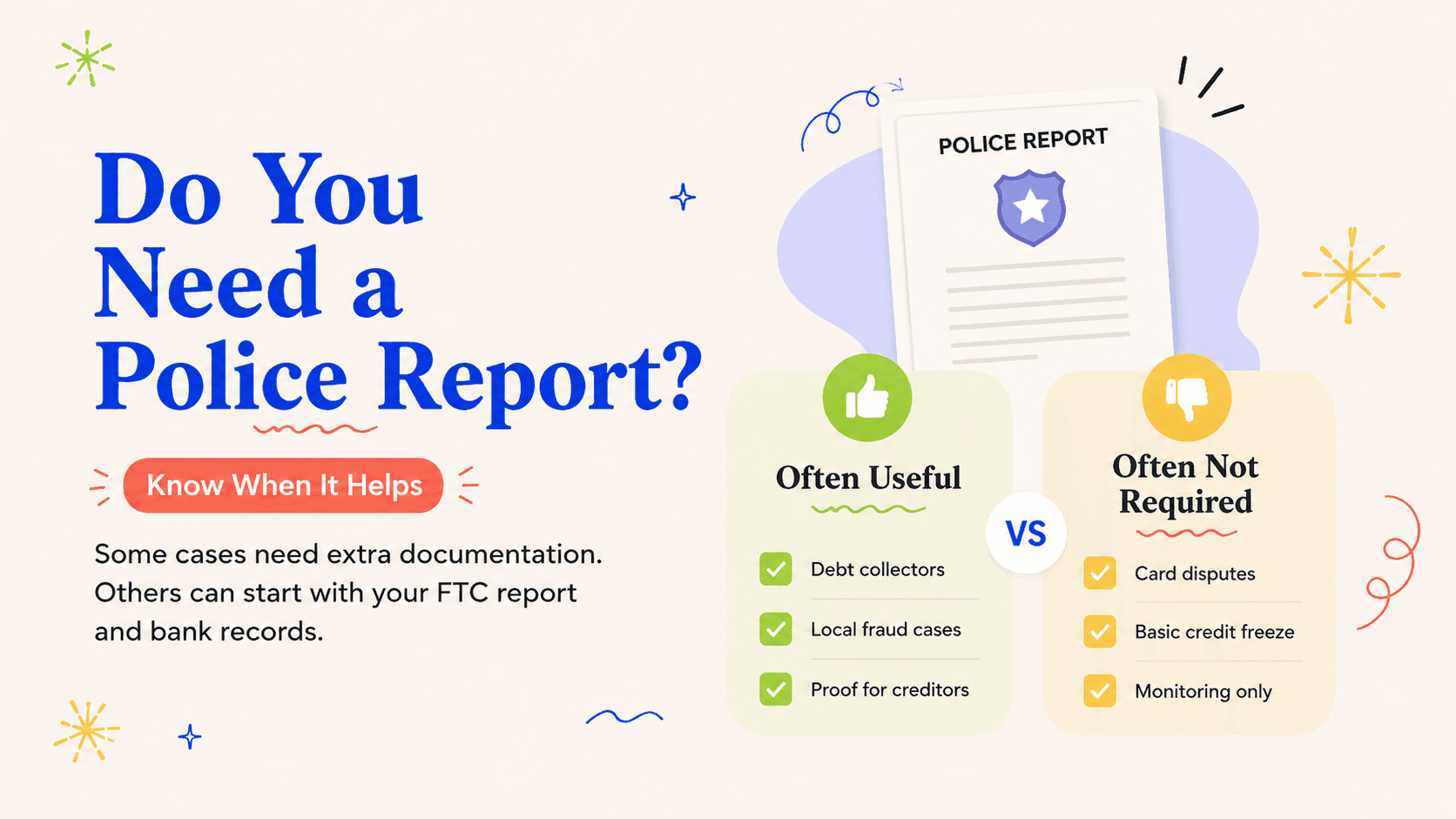
Confirmed misuse is the trigger that moves this from breach preparedness into full recovery mode. The records can also be provided to a law-enforcement agency if that becomes relevant, and IdentityTheft.gov notes that a victim may direct a business to give certain documents to a specified law-enforcement agency.
When records arrive, compare them with your credit reports, carrier records, bank statements, and other incidents. Repeated phone numbers, addresses, devices, or application dates can connect separate fraudulent accounts. Preserve the original file and make a working copy with sensitive data masked before sharing it with other organizations.
Respect redactions and legitimate verification requirements
One control rarely fixes every consequence here. A company may redact information to protect other people or its systems, and the records request is not a guarantee that every requested data point exists.
Also separate exposure from confirmed misuse. Some transaction descriptions are generated by processors and may not identify the actual person who committed the fraud, so treat records as evidence rather than a complete attribution.
Do not send a full identity packet to an unverified contact
Expect follow-up scams that refer to the request. Fraudsters can impersonate “document recovery” services and ask for a full identity packet supposedly needed to retrieve records.
A legitimate recovery process should be verifiable through an established channel. Confirm the request destination with the business itself before sending an FTC report, driver’s license copy, or other sensitive proof.
Use the records to close gaps in the recovery plan
Close this stage properly: calendar entries for follow-up, not a vague plan to remember later. Calendar the company’s expected response period and follow up with the original case number if nothing arrives.
The request has done its job when the records answer a specific recovery question or document the fraud well enough to support the next dispute.
If the business denies the request or says it needs different documentation, ask for the reason and the correct process in writing. Do not send extra identity documents to a new email address simply because a representative requests them. Verification is especially important when the records request itself contains enough personal data to create another exposure.
When the business provides records, create an index before sharing them elsewhere. Label each item by source and date—application, statement, shipping record, login log, or correspondence—then note which fact it supports. Redact unrelated personal information from working copies while preserving an untouched original. This makes the packet easier to use with a bureau, lender, carrier, or law-enforcement agency if one later asks for evidence. It also reduces the risk that a large unstructured document dump exposes more of your legitimate financial history than the receiving organization needs to resolve the identity-theft issue.