You receive an SSN breach notice but your bank and cards look normal.
Use the official central source
AnnualCreditReport.com is the centralized website created by the three nationwide credit reporting companies for the reports provided under federal law. The site currently states that you can check each bureau’s report for free every week. You can request one, two, or all three.
Be cautious with look-alike sites that advertise a free score or trial. A score is not the same document as the credit report you need to inspect for unfamiliar accounts and identity information.
Save a dated copy before you start disputing
Download or print the report if the site allows it and note the date. A saved baseline helps you compare what changes after a breach and gives you a record of how an item appeared before you contacted a bureau or creditor.
Keep the files securely because they contain highly sensitive personal and account information.
Review identity information before account balances
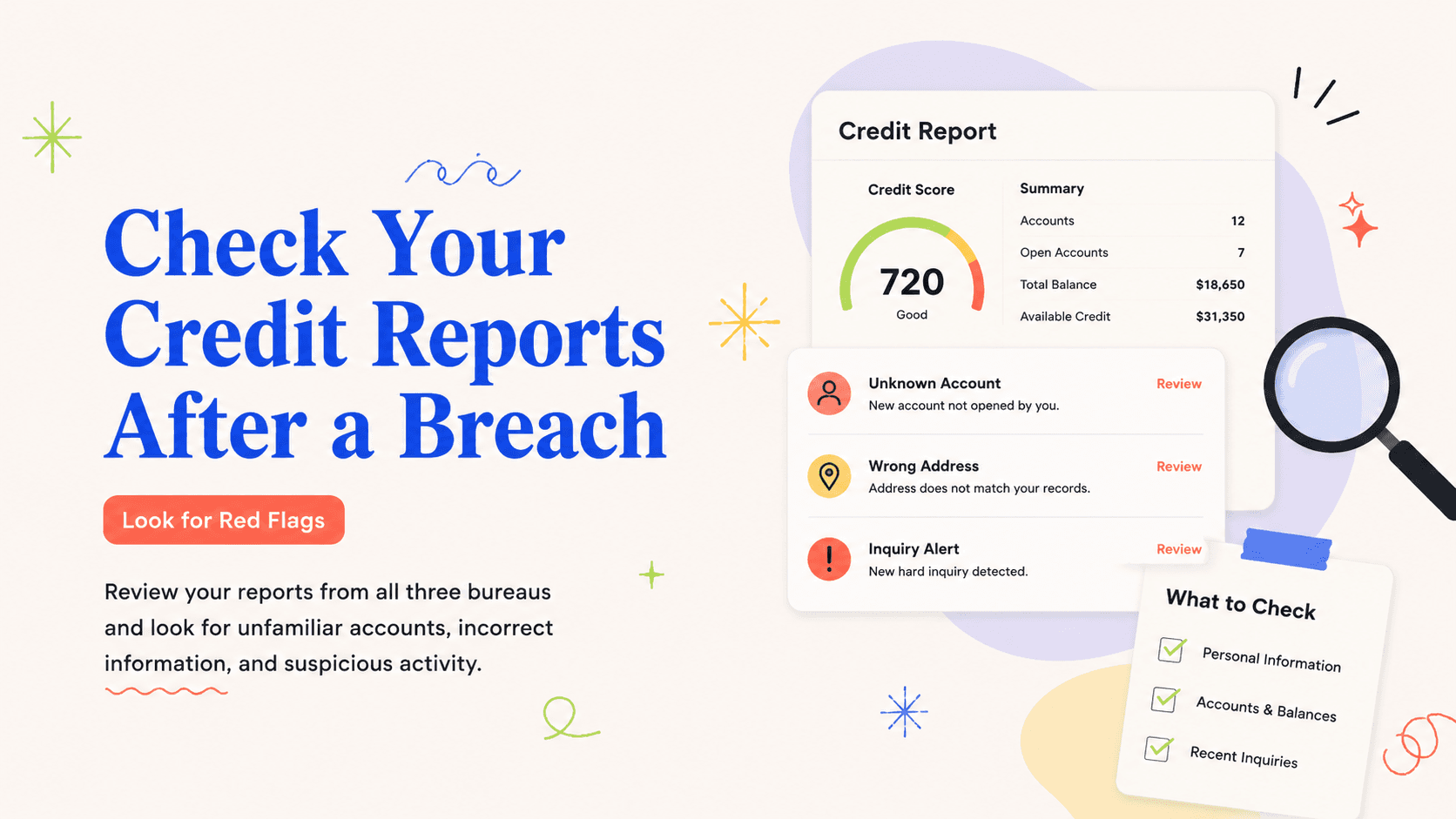
Check names, addresses, employers, and other identifying data. An old address can be legitimate, but an address you have never used can be a clue that an account was opened or updated by someone else. Then review open and closed accounts, collections, and inquiries.
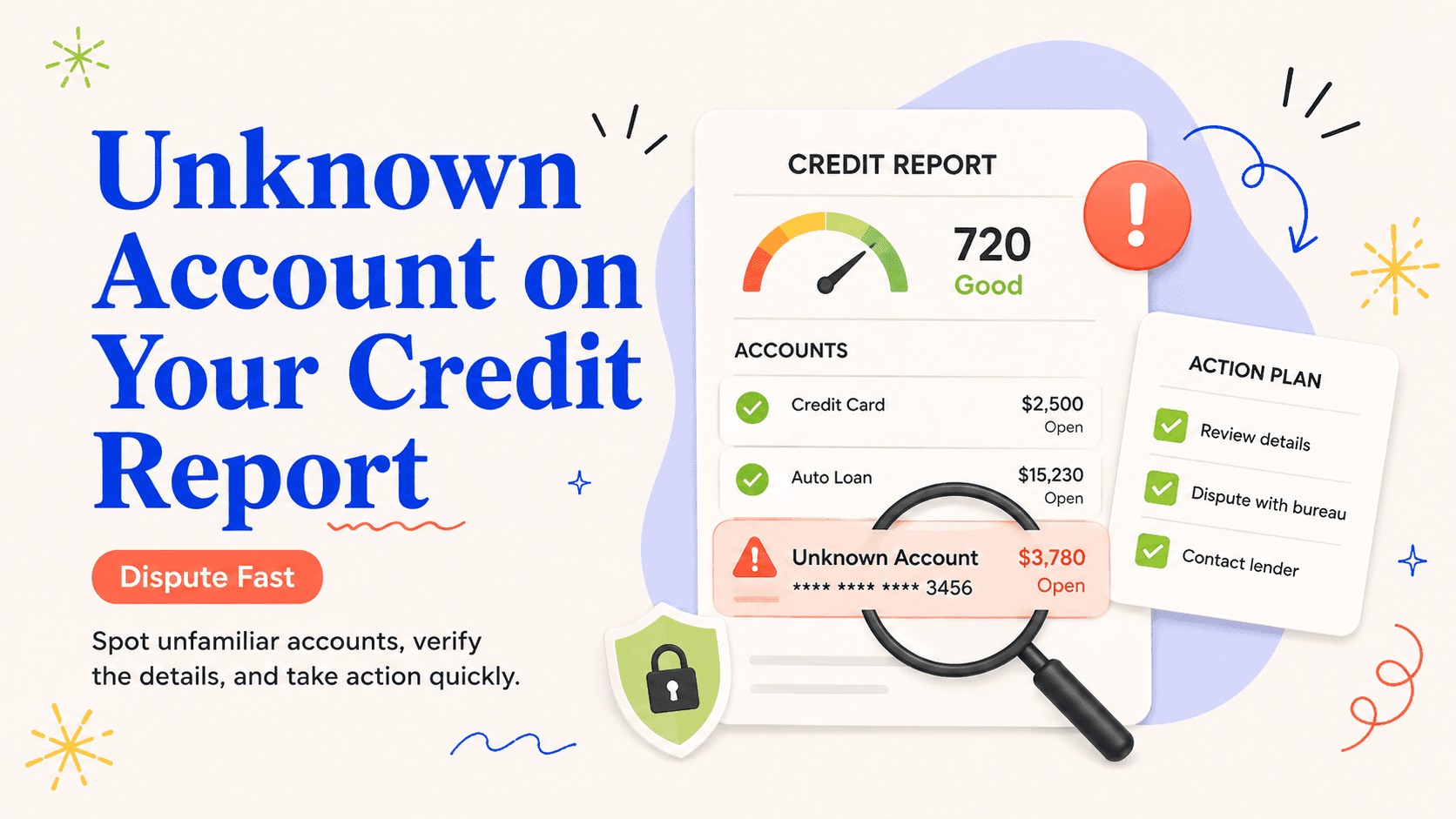
Do not panic over a creditor name you do not recognize immediately. Retail accounts are sometimes reported under a bank or parent-company name. Verify the account number suffix, opening date, and other details before concluding it is fraud.
Compare the three reports side by side
Creditors do not always report to every bureau, so the three files can differ. Make a short list of suspicious items and mark which bureau shows each one. That list becomes your dispute map if you discover actual identity theft.
Repeated weekly checking can be useful after a serious exposure, but your exact monitoring cadence should match the risk and your tolerance for review work.
Escalate actual identity theft through the recovery process
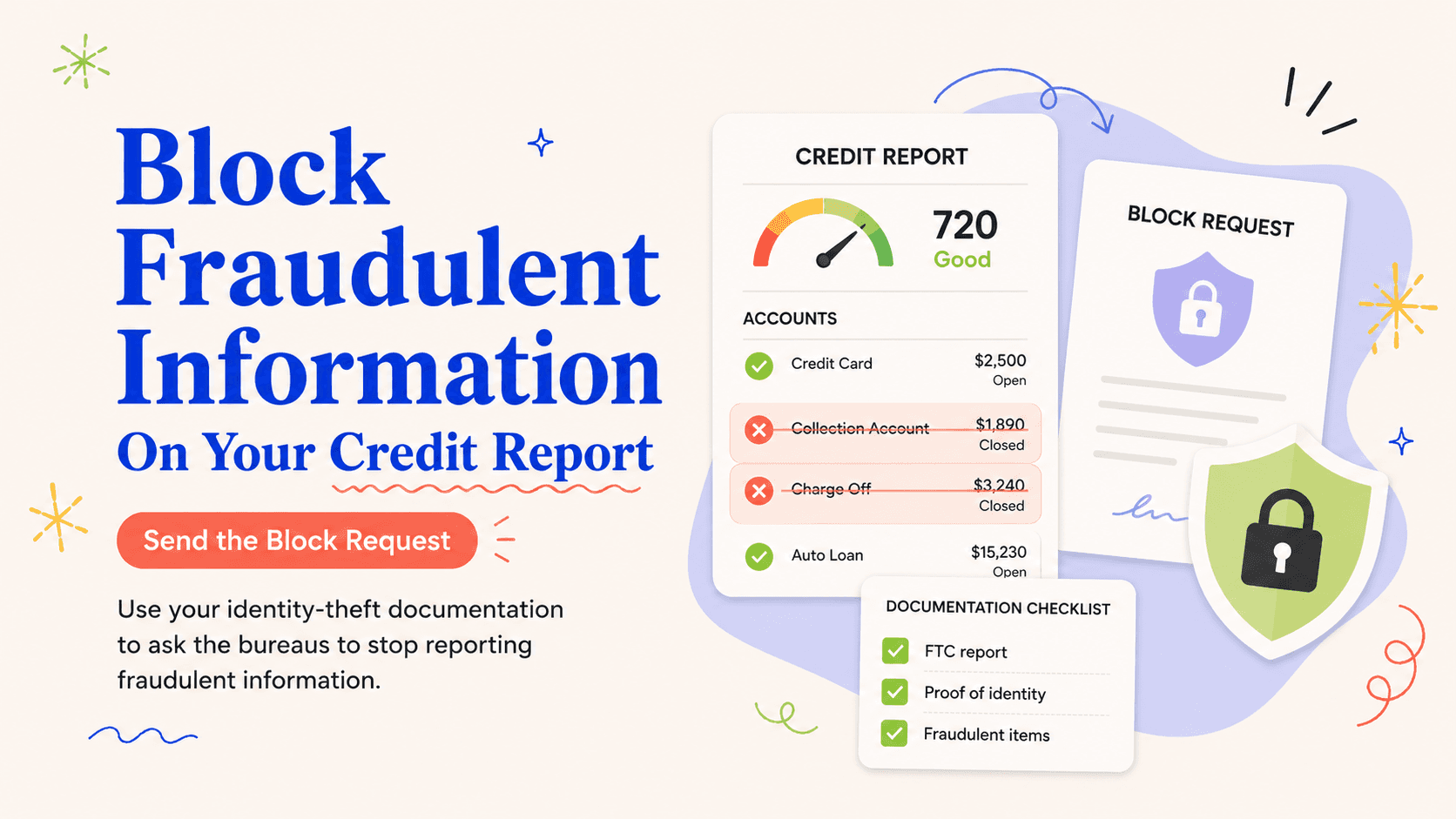
If you find an account or debt caused by identity theft, create an FTC Identity Theft Report through IdentityTheft.gov and follow the recovery steps for the affected account. The CFPB explains that identity-theft victims can request blocking of fraudulent information with an identity theft report, proof of identity, and a letter identifying the fraudulent items.
Do not use the identity-theft blocking process for an ordinary billing disagreement or a mistake unrelated to identity theft.
Read inquiries as a timeline of attempted credit activity
Hard inquiries can show that a lender reviewed your file in connection with an application. Compare the creditor name and date with loans, cards, apartments, utilities, or other transactions you initiated. An inquiry you do not recognize can be a clue even when the resulting account has not yet appeared on the report.
Soft inquiries are different and can include account reviews, your own requests, or prescreening. Do not treat every inquiry as evidence of theft; focus on the category and context shown by the report.
Review addresses and identity data for links to unfamiliar accounts
An unknown address can sometimes be an old mailing location or a creditor formatting issue, but it can also be tied to an account you did not open. When you see a suspicious address, check whether the same bureau lists a new account or inquiry around the same time. That connection can make the dispute clearer.
Do not send a bureau a broad request to delete every old address just because you prefer a cleaner report. Concentrate on information that is inaccurate or connected to suspected fraud.
Keep a comparison copy for later reviews
Name the saved reports with the bureau and date, then place them in a secure folder. On the next review, compare changes rather than rereading every line from scratch. New accounts, new addresses, and fresh inquiries deserve the most attention after a serious identity-data exposure.
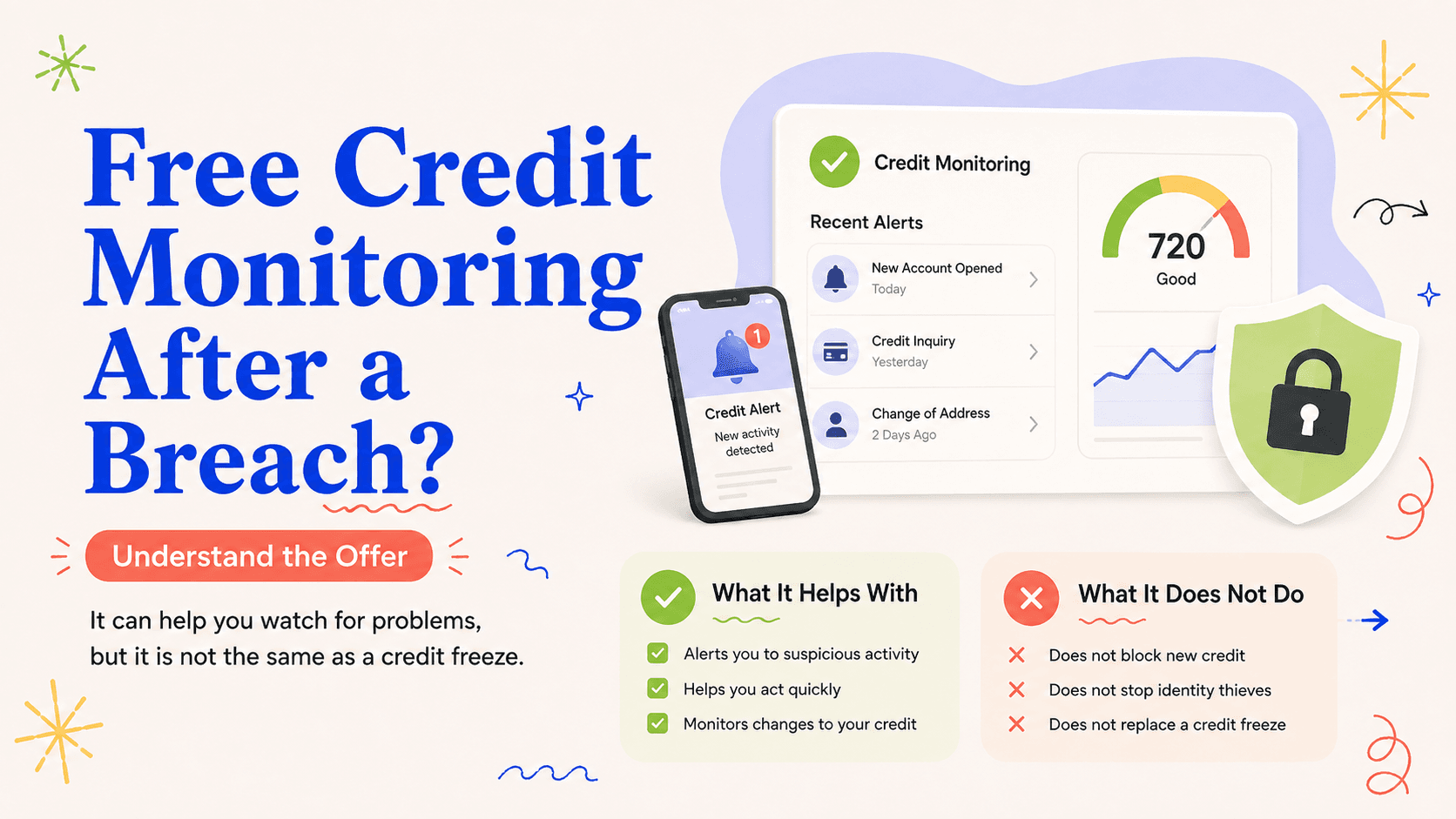
If you freeze your files, continue reviewing them. A freeze can reduce new-credit risk, but it does not make the credit report irrelevant or stop every form of identity misuse.
A page-by-page review method
Start with personal information rather than balances. Mark every name variation, address, employer, or phone number that does not look familiar. Then move to open and closed accounts, comparing creditor names, opening dates, balances, and account types with your own records. If an unfamiliar creditor name appears, research whether it is the bank behind a store card before treating it as fraud.
Next review inquiries. A hard inquiry that matches no application can be an early sign of attempted new-account fraud. Record the bureau, creditor, and date. Then review collections and public or specialty information shown in the report. Build a suspicious-item list rather than trying to dispute things while you are still reading; you want a complete picture first.
Repeat the same process on the other two bureaus. The files can differ, so note which bureau shows each suspicious item. Save the original reports before submitting any disputes or identity-theft blocks. On later checks, compare only the changes since this baseline, which makes new activity much easier to spot and keeps monitoring from becoming an exhausting reread of the entire file.
- Identity information first.
- Accounts second.
- Hard inquiries third.
- Collections and other negative items next.
- Save all three dated reports before filing corrections.
Turn the baseline into a routine
A one-time clean report is useful, but it is only a snapshot. Keep the dated copies and decide when you will compare them again based on the seriousness of the exposed data and any monitoring alerts you receive. Because AnnualCreditReport.com currently allows free weekly access to each nationwide bureau, you can check more often during a high-risk period without buying a subscription. The goal is not constant checking; it is having a repeatable process that makes new activity easy to distinguish from old, legitimate information.