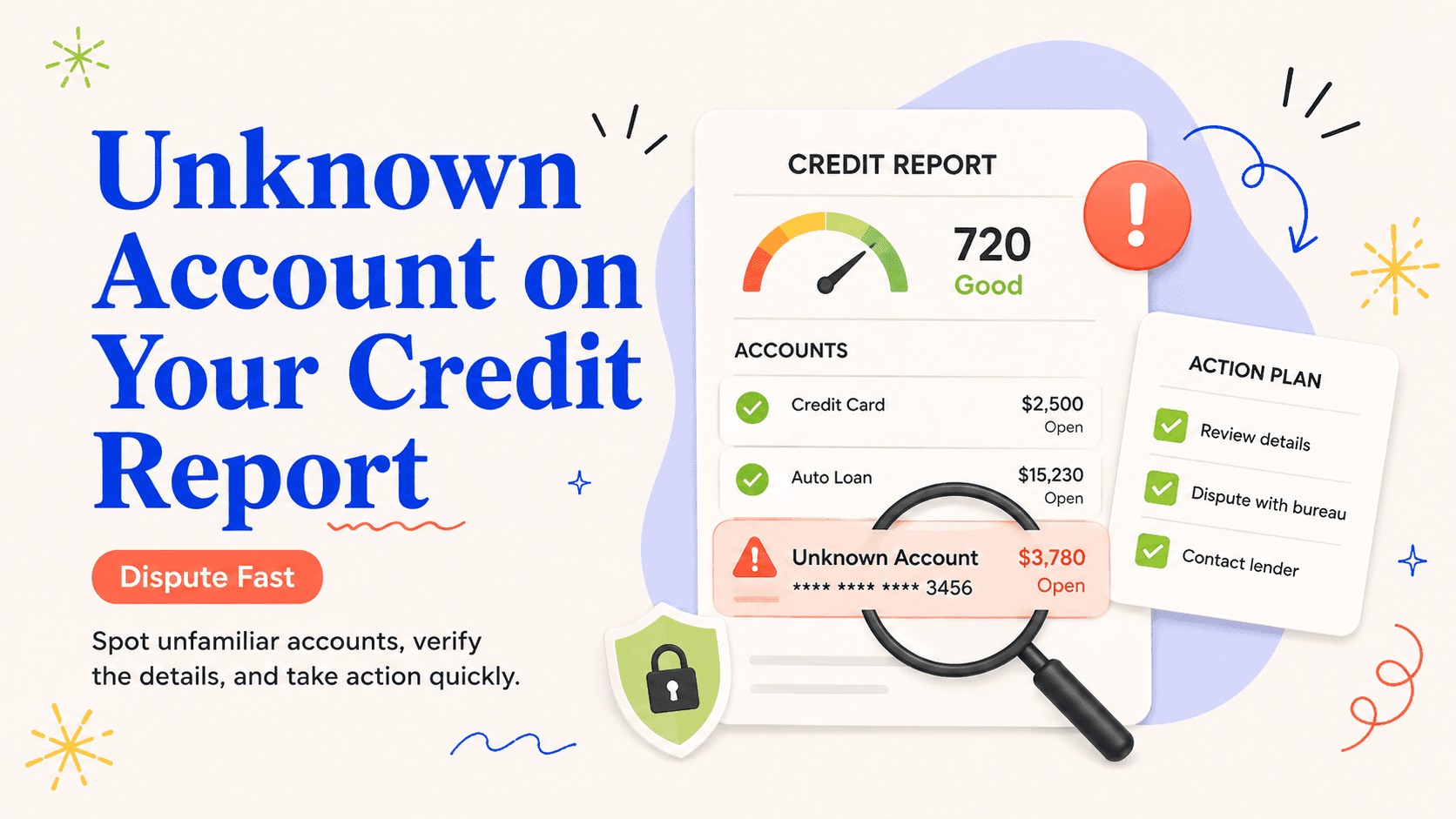
You see a credit-card account opened six months ago at a bank you have never used.
Rule out a naming mismatch before filing an identity-theft claim
Credit reports may list a bank or finance company rather than the store or app you remember. Compare the opening date, partial account number, balance, and type of account with your own records. If those details still do not match, treat the item as suspicious.
Take a screenshot or save the report page before you begin contacting companies.
Contact the company that furnished the account
Use a known public number or the contact information on your credit report to reach the institution’s fraud department. Tell it you do not recognize the account and ask what identity-theft process it requires. Record the case number and the representative or department handling the matter.
Do not send sensitive documents to an address supplied by an unsolicited caller. Verify the destination through the institution’s official channel.
Create an FTC Identity Theft Report when fraud is confirmed
IdentityTheft.gov can generate an FTC Identity Theft Report and personalized recovery plan based on what happened. That report is an important part of the documentation used for identity-theft blocking and disputes.
Keep the report with the original breach notice, credit-report copy, and the creditor’s case number.
Request blocking of identity-theft information
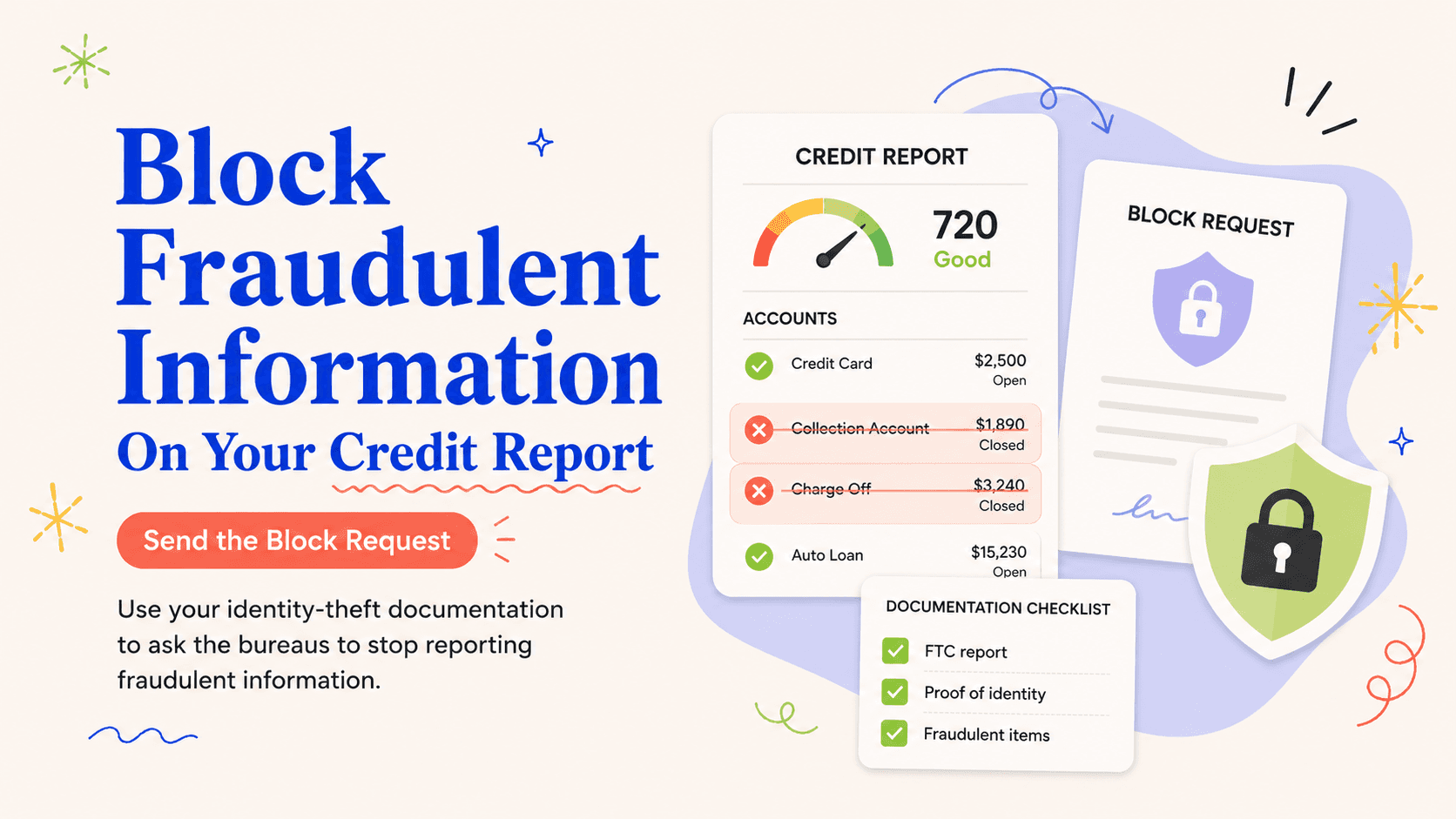
The CFPB says you can ask credit reporting companies to block fraudulent information by sending an identity theft report, proof of identity, and a letter identifying the fraudulent debts or information. It states that credit reporting companies must block covered fraudulent information within four business days after receiving a complete request, subject to the rules that apply to identity-theft blocking.
Use this process only for information caused by identity theft. Ordinary accuracy disputes follow a different path.
Check the other bureaus and your remaining accounts
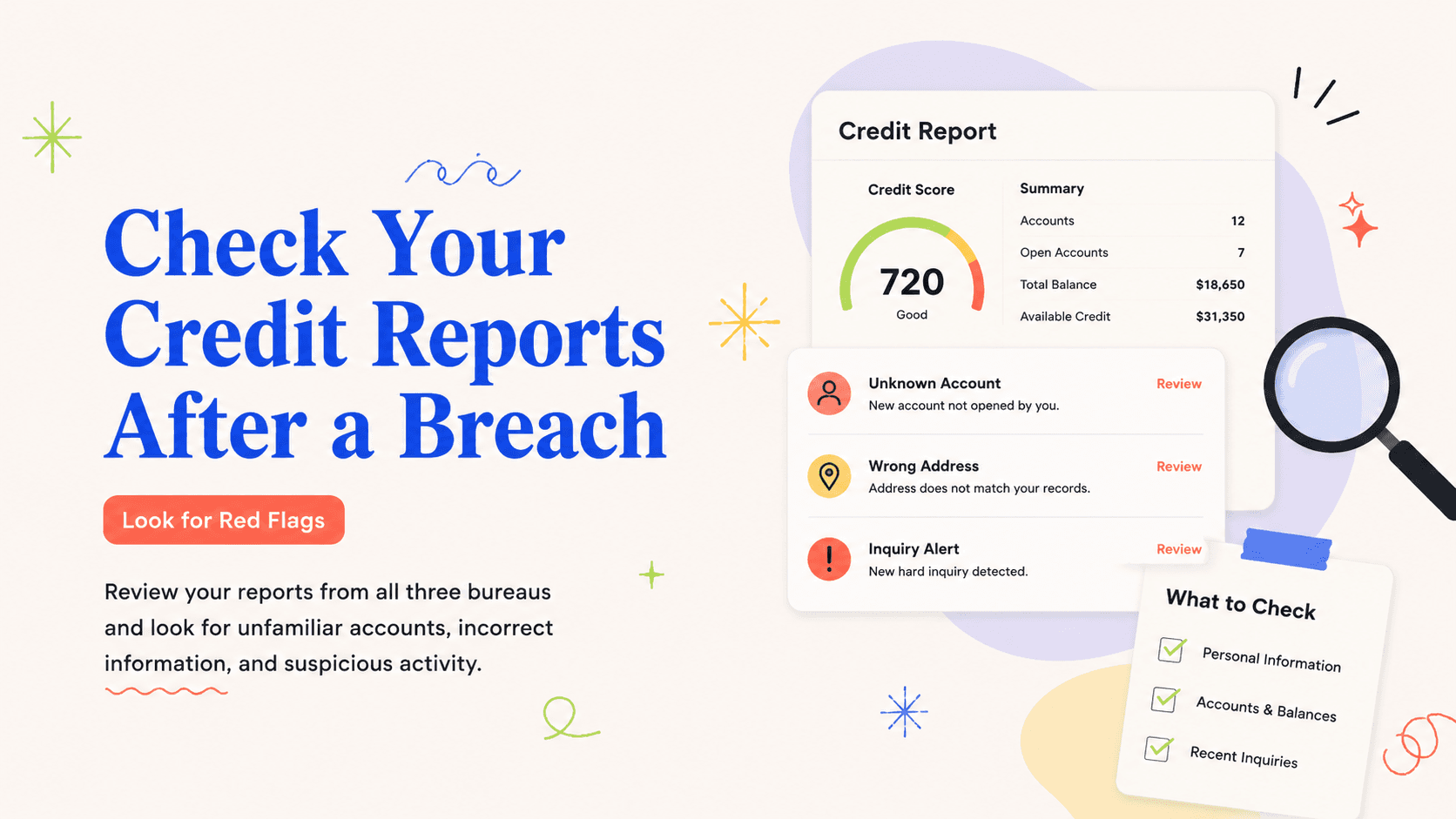
An account can appear on more than one bureau or only one. Review all three reports and search for related inquiries, addresses, or collection items. Then check bank and card activity for signs that the same stolen identity information was used elsewhere.
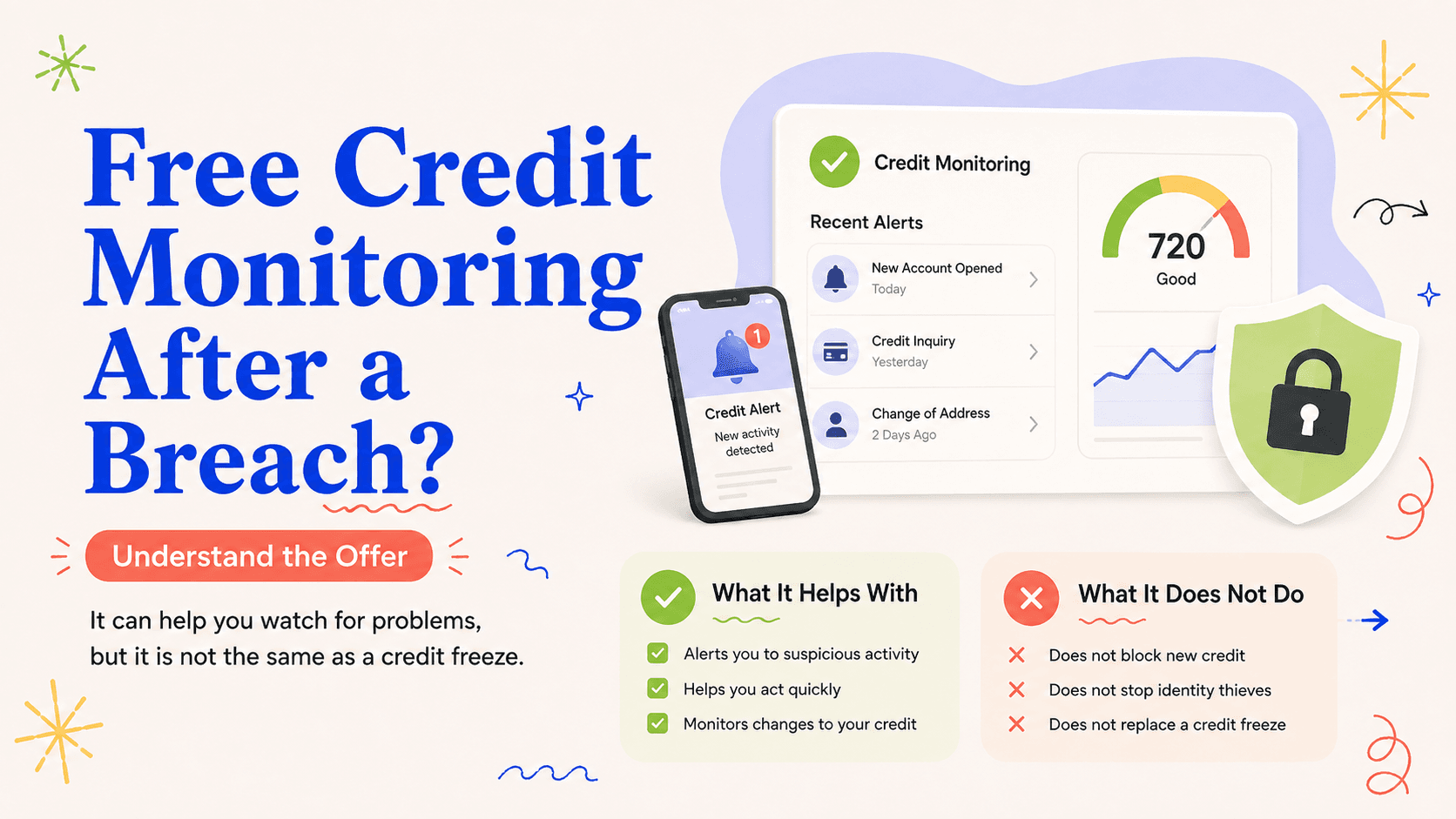
Keep monitoring after the first account is removed because additional fraudulent accounts can surface later.
Ask the creditor what application data it can provide
Once the institution accepts a fraud claim, ask what information it can lawfully provide about the application or account opening. Details such as the application date, channel, mailing address, phone number, or email may help show whether the account is connected to other identity-theft activity. Follow the creditor’s formal identity-theft records process rather than expecting a call-center representative to disclose everything by phone.
Do not contact a phone number or email address that appears inside the fraudulent application itself; use the institution’s verified public contact channels.
Watch for the same debt to reappear under a collector
A fraudulent account can move into collections before the original creditor finishes correcting it. If a collector contacts you about the debt, keep the creditor’s fraud case number, FTC report, and credit-bureau documentation available. Treat the collection account as part of the same identity-theft record instead of starting from zero.
After a bureau blocks or removes the fraudulent information, keep checking later reports for re-reporting. A resolved case should stay resolved, but your saved documents make it easier to respond if the debt is transferred or reinserted.
Check whether the fraud changed contact information elsewhere
Identity thieves sometimes reuse the same phone number, email, or address across multiple applications. If the creditor provides a fraudulent contact detail, compare it with other suspicious accounts or report entries. A repeated pattern can help you identify the scope of the incident.
Keep those details out of public complaints and social media posts. They are evidence for your recovery process, not information that needs wider distribution.
From discovery to a closed fraud case
Suppose TransUnion shows a personal loan opened eight months ago at a lender you have never used. Save the report page and check Equifax and Experian for the same loan, related inquiries, or an unfamiliar address. Call the lender through the number on its official website or the contact listed on the report, ask for the fraud department, and state that you did not open the account. Get a case number and the lender’s identity-theft document requirements.
Report the theft at IdentityTheft.gov and save the FTC Identity Theft Report. Submit the lender’s fraud packet and the appropriate identity-theft blocking request to every credit bureau that shows the loan. Keep proof of delivery or online confirmation. If the lender can provide application records through its formal process, compare the contact details with other suspicious entries but keep those details private.
Follow up until the lender confirms the account is closed or corrected and the bureaus show the fraudulent information blocked or removed. Then review later reports to ensure a collector does not re-report the same debt. A clean resolution has two parts: the source account is no longer treated as yours, and the consumer reports no longer present the identity-theft information as valid.
- Save the original report entry.
- Contact the furnisher’s fraud department.
- Create the FTC Identity Theft Report.
- Submit bureau-specific blocking requests.
- Get written closure or correction from the creditor.
- Check future reports for reappearance.
Do not stop at the first removal
Once the account disappears from the report, confirm that the lender itself has closed or corrected the account and that any collection activity has stopped. Save the final bureau result and the creditor’s letter in the same folder. Check all three reports again later because a fraudulent account can be reported on different schedules, and a collector may create a new entry after the original lender has already corrected its own file. A resolved case should remain traceable even after the visible credit-report item is gone.