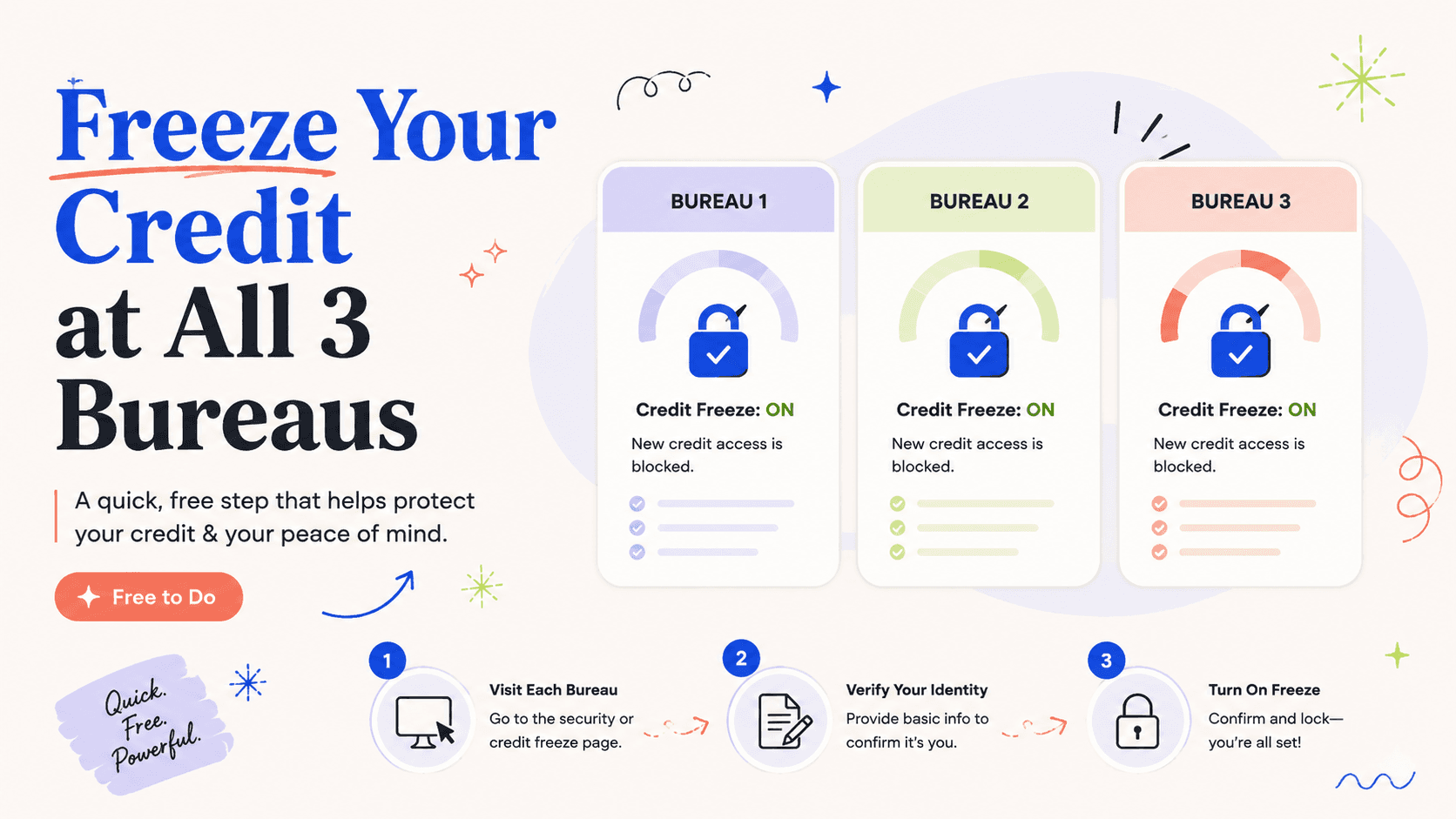
You froze your credit at Equifax, Experian, and TransUnion after a breach, and then read that someone opened a checking account or a phone plan in a victim’s name anyway. You want to know which other agencies to freeze.
The big three are not the whole system
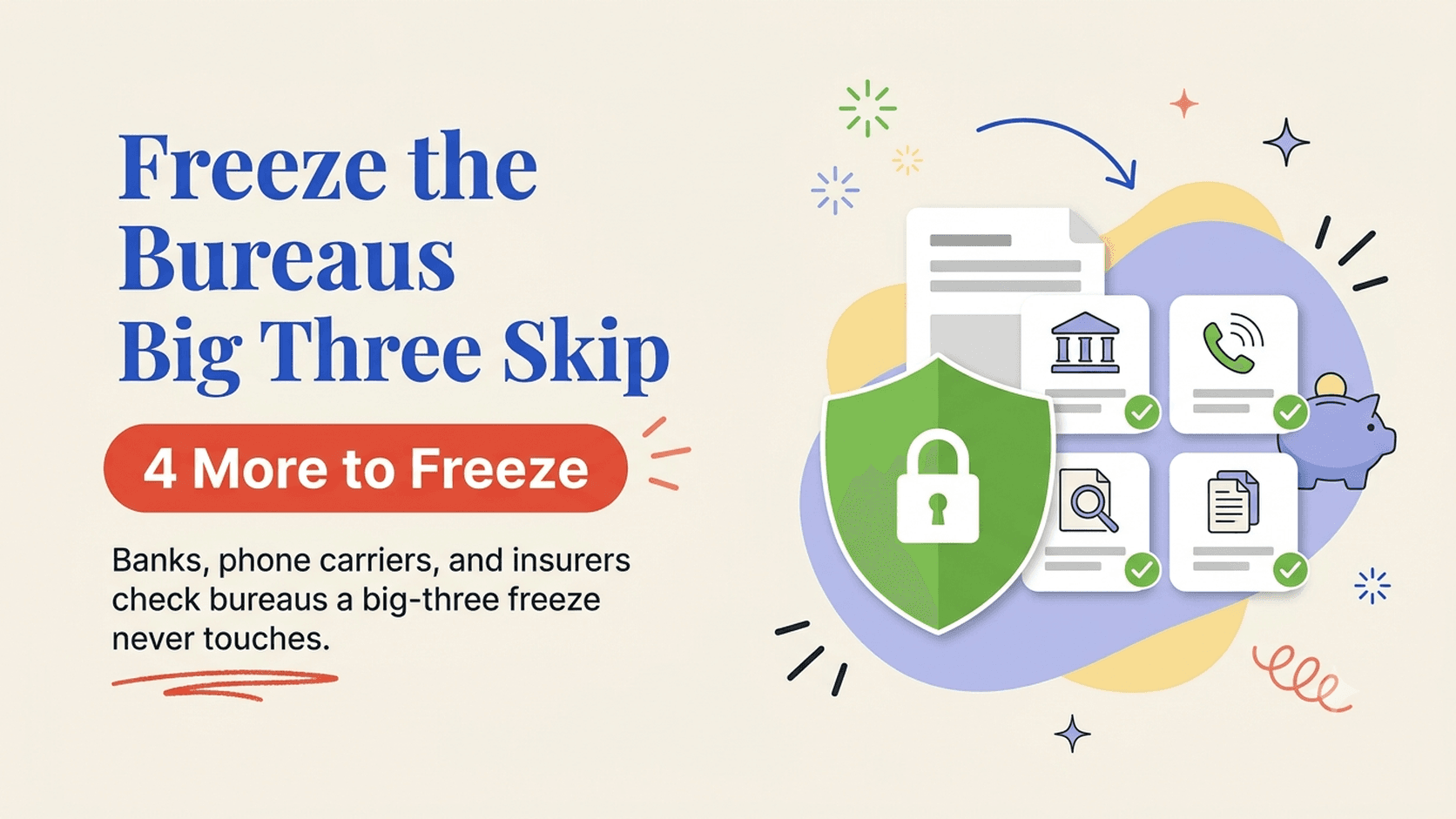
Equifax, Experian, and TransUnion are the nationwide credit bureaus, and a freeze at all three is the core protection against new loans and credit cards opened in your name. But lenders and other companies also pull from specialty consumer reporting agencies that keep their own files on you — files a big-three freeze does not touch.
When you read that someone opened a bank account, a wireless line, or a power account in a victim’s name despite a credit freeze, this is usually why: the company that opened the account checked a specialty agency, not one of the three. Since a 2018 federal law made security freezes free and available at every consumer reporting agency, there is no cost to closing these gaps.
What each specialty agency screens for
These are the agencies most worth freezing after a breach, and what they are used for:
- NCTUE (National Consumer Telecommunications and Utilities Exchange) — telecom and utility providers check it before opening a phone, cable, internet, electric, or gas account
- ChexSystems — most banks and credit unions check it before opening a new checking or savings account
- LexisNexis Risk Solutions — used in insurance underwriting and by many lenders for identity verification and fraud screening
- Innovis — often called the fourth credit bureau; some lenders and account providers pull it for verification
- SageStream / LexisNexis and Clarity Services / Experian — alternative-credit bureaus used heavily by online and subprime lenders
- CoreLogic Credco — used in mortgage lending; TeleCheck and Certegy — used by retailers for check acceptance
- TeleCheck — many retailers and grocery chains check it before accepting a personal check at checkout
- CoreLogic Teletrack — used by some short-term and alternative lenders (payday-style and rent-to-own financing) to screen applicants
Why a thief would route around a big-three freeze
A criminal with your name, Social Security number, and date of birth has options that do not require passing a big-three credit check. Opening a checking account gives them a place to receive stolen funds and a piece of "verified" identity to use elsewhere. A wireless account provides a phone number tied to your name for account-recovery and two-factor codes. A utility account establishes a service address in your name that other fraud can be built on.
Freezing the specialty agencies removes those easier paths at the same time you block new credit. The order below reflects which gaps are used most.
How to freeze each one — all free
Each agency lets you place a freeze online, by phone, or by mail, at no charge, and the freeze stays until you lift it. You will generally need your name, current and prior addresses, Social Security number, and date of birth. Save the confirmation or PIN from each.
NCTUE: freeze through the consumers section of nctue.com, or by phone. ChexSystems: use the security freeze page on chexsystems.com, or call its consumer line. LexisNexis: use consumer.risk.lexisnexis.com/freeze, which also covers its SageStream file, or call. Innovis: use the personal security freeze page on innovis.com, or call. For the smaller alternative-credit and check-acceptance agencies, search the company name plus "security freeze" and use only the domain the company itself operates. TeleCheck: call its consumer security freeze line directly, since it does not offer a self-service web form. CoreLogic Teletrack: request a freeze through CoreLogic's consumer inquiry line, which handles Teletrack directly.
What a specialty freeze does and does not block
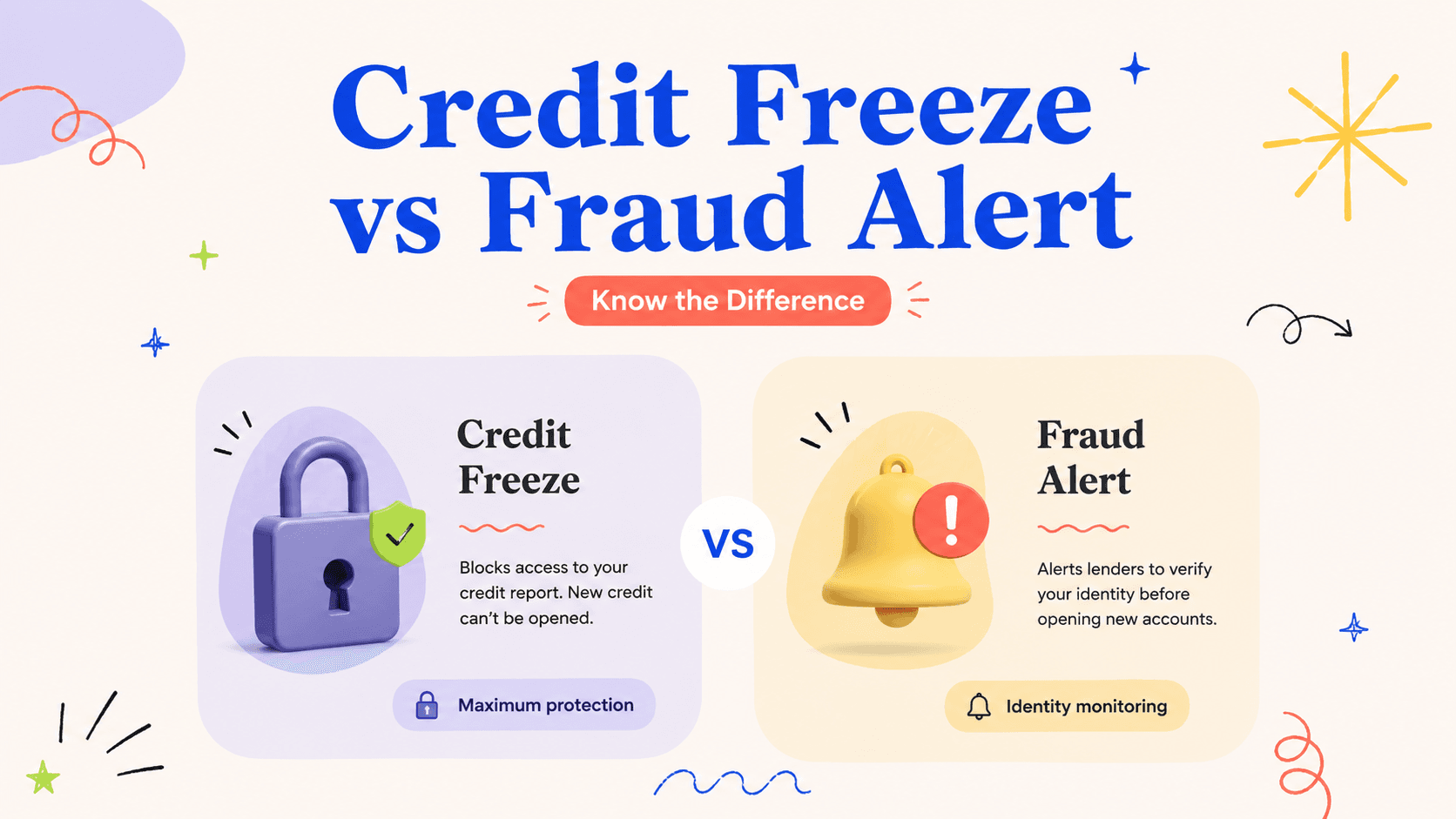
A freeze at one of these agencies stops that agency from releasing your file to a company that requests it for a new account, which in practice stops the account from being opened. It does not affect your existing accounts, your credit score, or your ability to use services you already have.
It also does not cover agencies you have not frozen. There is no single switch. If a breach exposed a full identity profile, the realistic goal is the three nationwide bureaus plus NCTUE, ChexSystems, LexisNexis, and Innovis, with the smaller ones added if you have the time.
Priority order after a breach
If you can only do a few beyond the big three, do them in this order, matched to what was exposed:
- ChexSystems first if bank-account or routing data was involved, or if the breach was large and public — a fraudulent checking account is a common early move
- NCTUE next — wireless-account fraud is frequent and gives an attacker a phone number in your name
- LexisNexis — broad use in lending and insurance verification makes it high value
- Innovis — quick to do and closes the fourth-bureau gap
Pull your specialty reports first
You are entitled to a free copy of your file from each of these agencies, generally once a year and again after you are the victim of fraud. Requesting your ChexSystems, LexisNexis, and NCTUE reports before or alongside the freeze gives you a baseline: it shows whether an account or an address you do not recognize is already on file.
The CFPB publishes an annual list of consumer reporting companies with contact details and instructions for getting each report and placing each freeze. It is the most complete single reference and worth using as your checklist.
Lifting these freezes when you need to
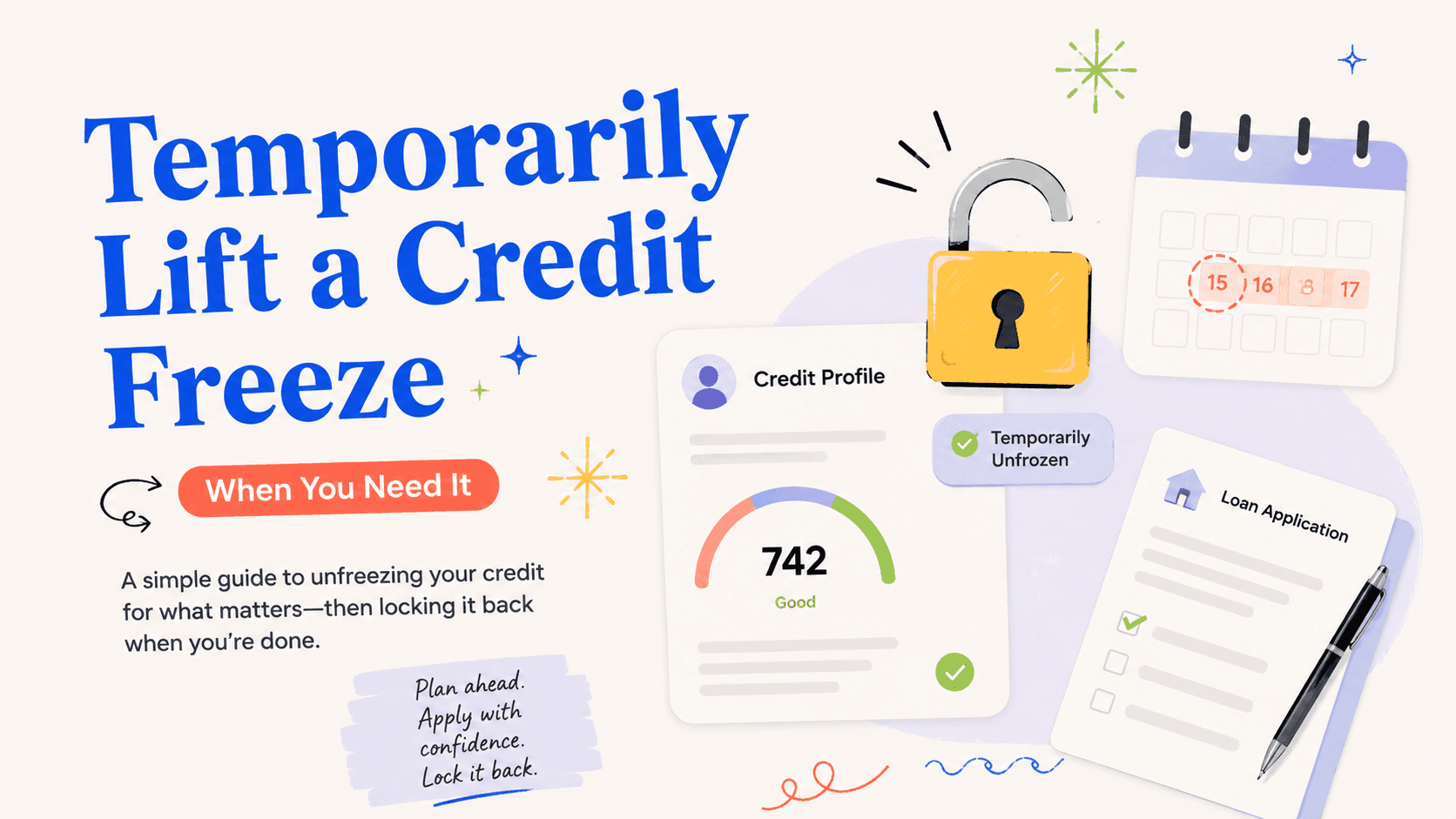
When you apply for a new bank account, phone plan, insurance policy, or loan, the company may tell you which agency it checks. You then lift that specific freeze, temporarily or permanently, using the PIN or login you saved.
This is why keeping the confirmations organized matters. Being turned down for a checking account and not knowing you have a ChexSystems freeze — or not being able to find the PIN to lift it — is a common, avoidable delay.
Contact details for each bureau
Save this list. Each entry is the fastest verified channel as of this writing — confirm the number or URL is still current before you call, since these agencies occasionally change contact paths.
- NCTUE — phone 866-349-5355, or the consumers section of nctue.com
- ChexSystems — phone 800-887-7652, or the security freeze page on chexsystems.com
- LexisNexis Risk Solutions — phone 888-497-0011, or consumer.risk.lexisnexis.com/freeze (also covers the SageStream file)
- Innovis — phone 800-540-2505, or the personal security freeze page on innovis.com
- TeleCheck — phone 800-710-9898 for its consumer security freeze line
- CoreLogic Teletrack — phone 866-312-8249 for its consumer inquiry line
Frequently asked questions about specialty freezes
- Will freezing these agencies hurt my credit score? No. None of these six agencies calculate the credit score your lenders see, and a freeze does not touch your existing accounts or payment history.
- Can I still open a bank account or get a phone plan with these freezes on? Yes, once you lift the specific freeze the company checks. Most freezes lift within minutes online or by phone, so plan to do it right before you apply, not weeks ahead.
- How long does a specialty freeze last? Indefinitely, the same as a nationwide bureau freeze — it stays in place until you remove it yourself, with no expiration date to track.
- Is freezing the big three enough if I do not have time for all six? It closes the largest category of risk (loans and credit cards) but leaves banking, telecom, insurance, and alternative-lending fraud open. If you can only add one, ChexSystems is usually the highest-value next step since bank-account fraud is common and fast to execute.
- Do these freezes cost anything for a second or third freeze in the same year? No — federal law made freezing and unfreezing free at every consumer reporting agency with no limit on how many times you do it.
- What's the difference between freezing an agency and just checking my report from it? A report only tells you what is already on file; a freeze actively stops that agency from releasing your file to a new company at all. Pulling your report first, then freezing, gives you both a baseline and ongoing protection — pulling the report alone protects nothing going forward.
Worked example: a full identity profile exposed
A data-aggregator breach exposes your name, every address you have had, your SSN, and your date of birth. You start with a freeze at Equifax, Experian, and TransUnion. Then, over the next few evenings, you freeze ChexSystems, NCTUE, LexisNexis, and Innovis, saving each confirmation into one file with the bureau name, the date, and the PIN.
A month later you get a denial letter for a checking account you did not apply for — evidence someone tried and was blocked by the ChexSystems freeze. You keep the letter with your records. When you later open a legitimate savings account and the bank says it uses ChexSystems, you lift that one freeze for a week, open the account, and let it re-freeze.