After a breach, you are offered a year of free monitoring, and separately you are seeing ads for identity-protection plans at $10 to $30 a month. You want to know what you would actually be paying for.
What you are actually being sold
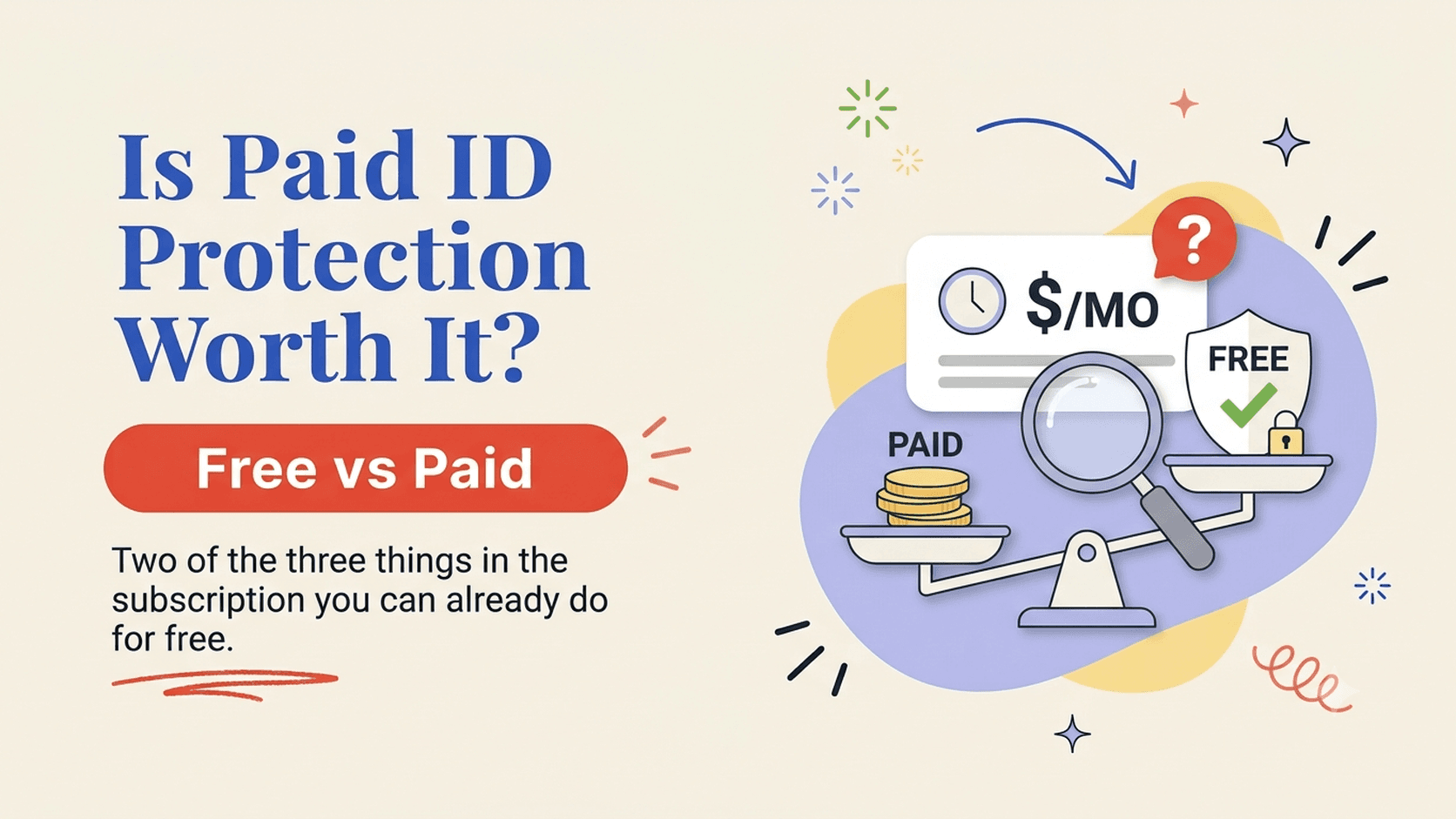
A "credit protection" or "identity protection" subscription is not one product. It is a bundle of three:
Monitoring watches your credit files and, in higher tiers, other data sources, and alerts you to changes. Restoration assistance gives you a caseworker or a call center to help you dispute fraud if it happens. Insurance is a reimbursement policy, often advertised as "up to $1 million," that pays back certain out-of-pocket costs of recovering from identity theft.
Evaluating the subscription means evaluating each piece separately, because the value of each is very different.
Credit monitoring versus your free weekly reports
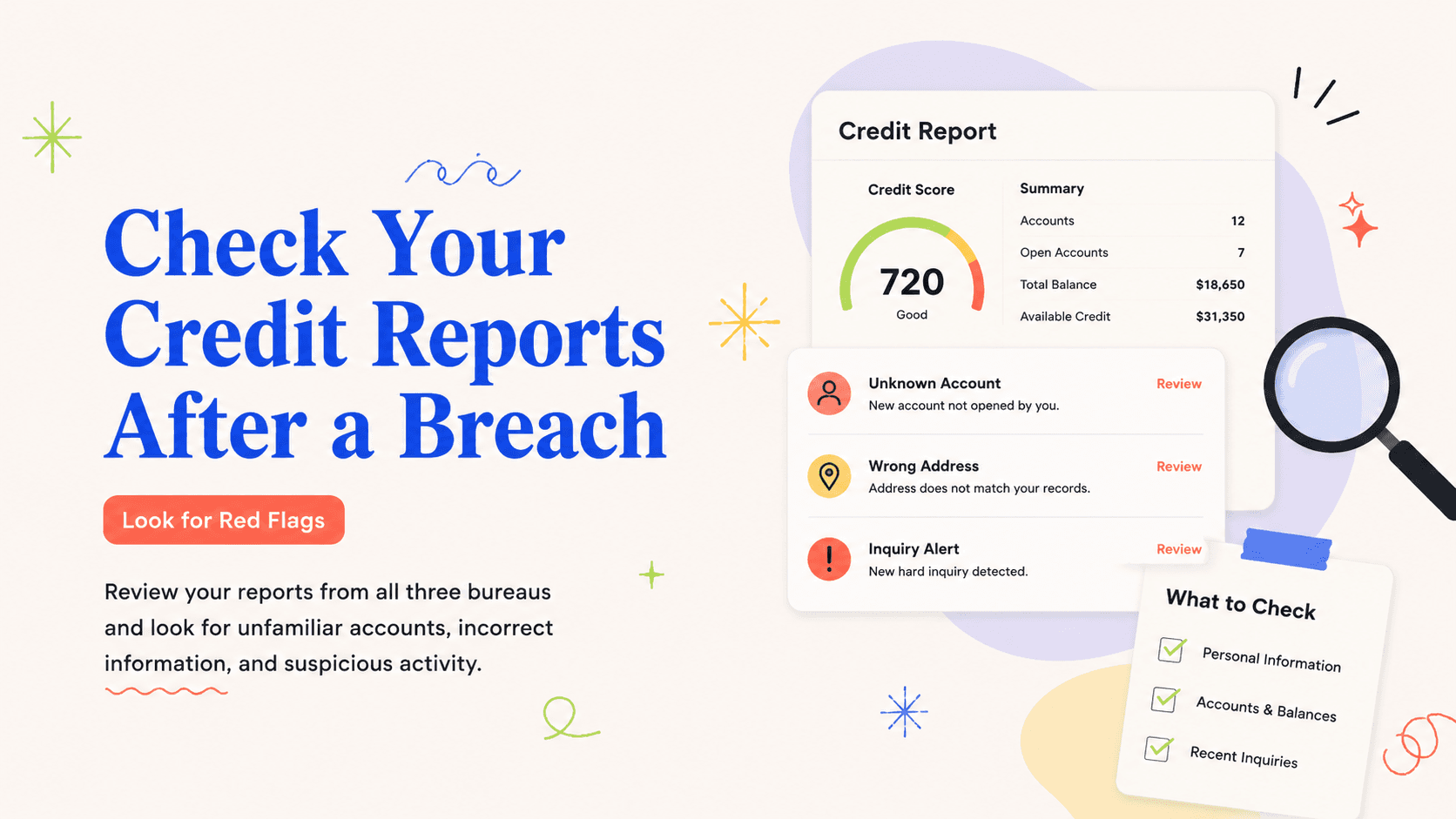
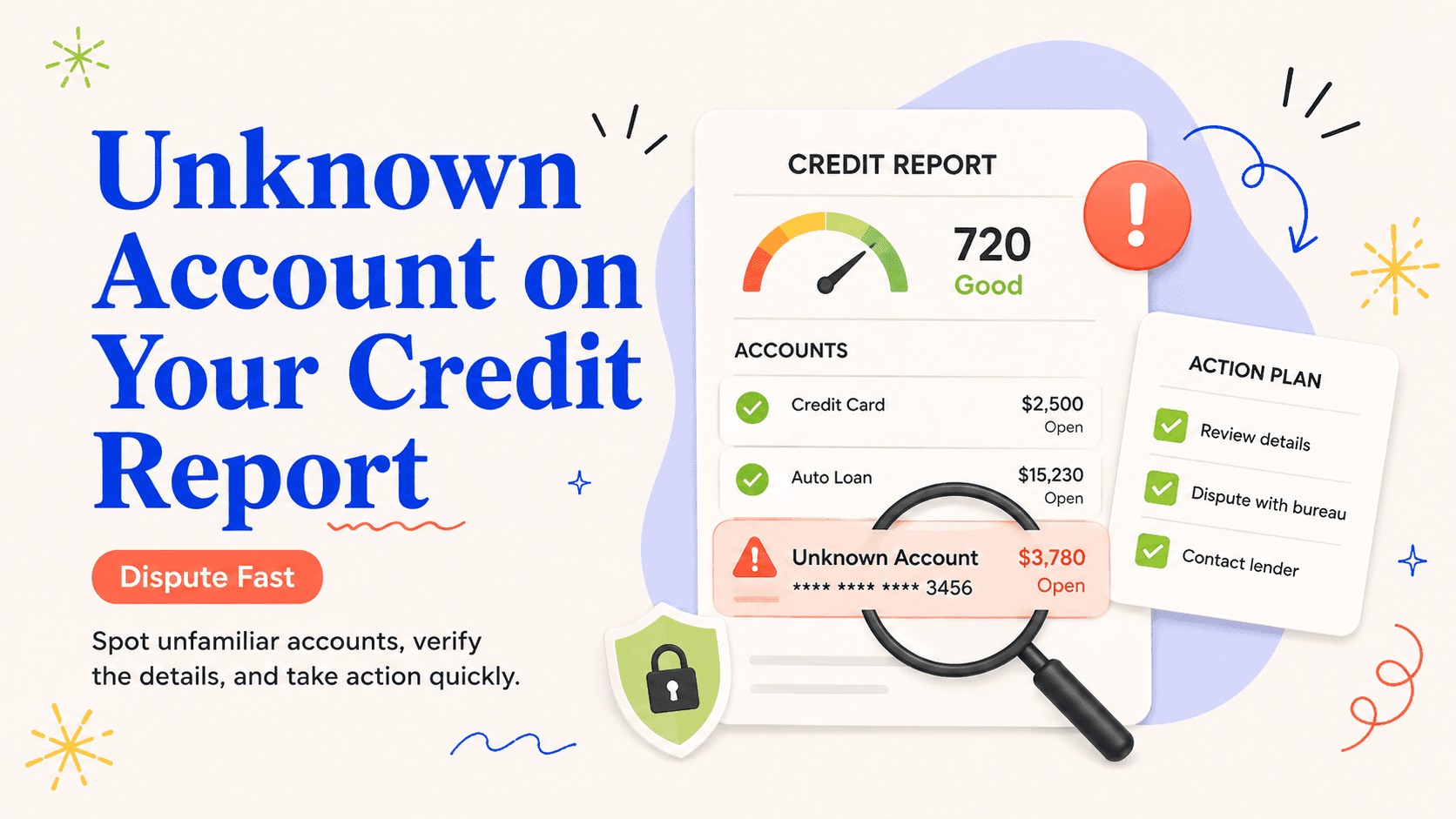
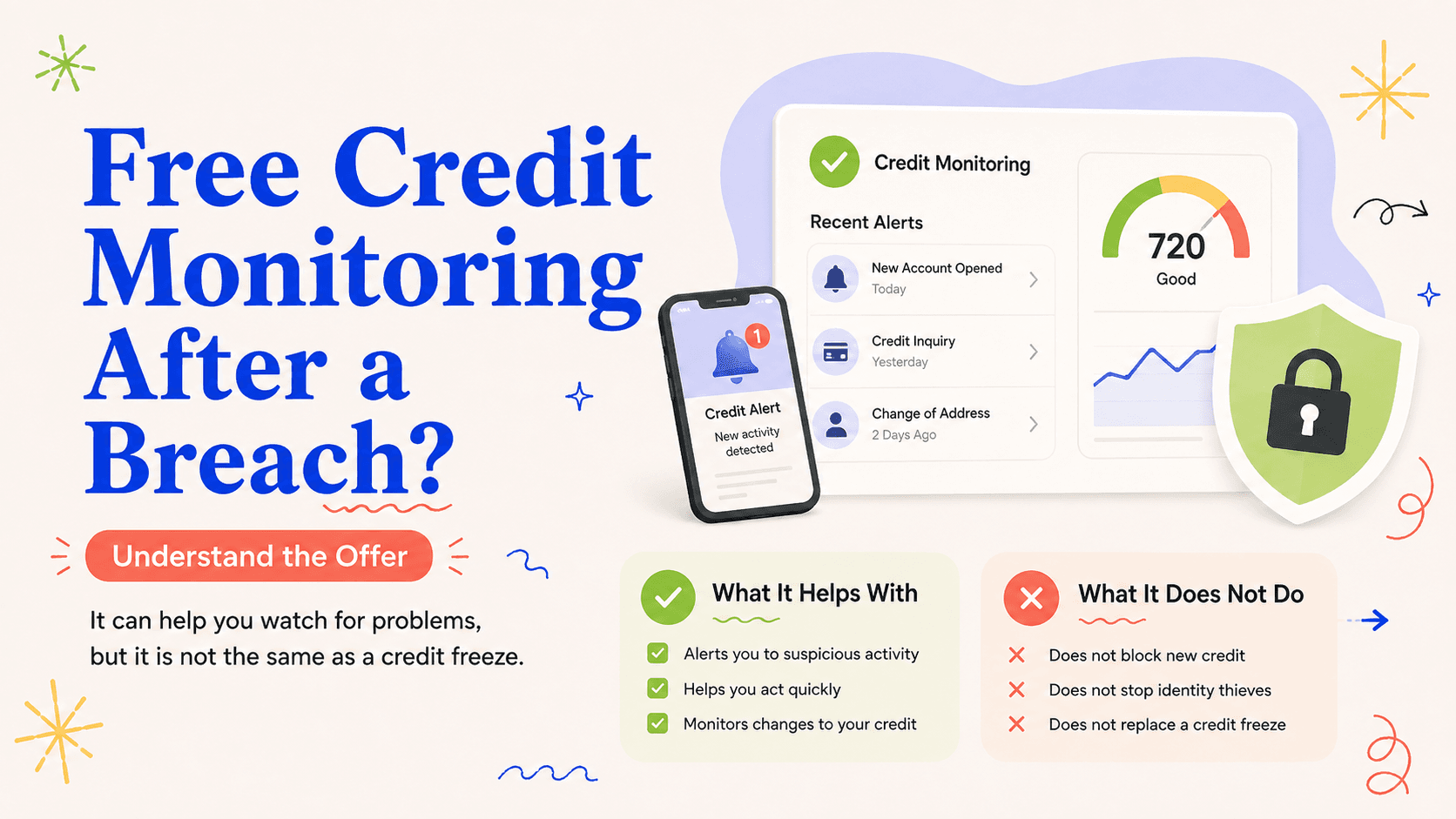
Credit monitoring tells you when a new account, a hard inquiry, an address change, or a balance change hits one of your credit files. It is genuinely useful — but you can get most of the same visibility for free.
Every consumer is entitled to free credit reports from all three nationwide bureaus every week through the official annual-report site. Checking one bureau every couple of weeks on a rotating basis catches new accounts and inquiries within days, which is fast enough for the freeze-and-dispute process to work. Paid monitoring mainly adds convenience: it pushes an alert to you instead of requiring you to look.
A credit freeze changes this calculation further. If your files are frozen, a new account generally cannot be opened in the first place, so being alerted a day faster matters less.
What identity monitoring adds, and its limits
Higher tiers advertise "dark web monitoring," Social Security number monitoring, bank and investment account monitoring, and alerts when your name appears in certain public records.
The CFPB’s guidance is blunt about the limits: these services cannot prevent identity theft, they only tell you it may have happened, and what each one actually covers varies widely between providers. "Dark web monitoring" in particular tells you data is already circulating — which, after a breach, you already know — without telling you it has been used. The alerts can be reassuring, but they are not protection, and they do not replace the freeze.
What the insurance actually reimburses
The headline coverage figure is misleading. Identity theft insurance typically reimburses the costs of recovering your identity — notarization, certified mail, copies of records, phone charges, sometimes lost wages for time spent resolving the fraud, and in some policies legal fees. Those costs are usually modest, in the hundreds of dollars, not the hundreds of thousands.
What it generally does not cover, or covers only up to a small sublimit, is the money stolen from you. Fraudulent charges and unauthorized transfers are already the responsibility of your bank and card issuer under federal law when you report them promptly, so the insurance is not meant to duplicate that. Read the policy for the sublimits and the list of covered expenses before assuming the big number means anything to your situation.
The free tools that overlap with the paid product
Before paying, account for what you already have at no cost:
- A security freeze at the three nationwide bureaus and the specialty agencies — prevents new accounts, which monitoring only detects
- A fraud alert — free, one year at a time, requires creditors to take extra identity-verification steps
- Free weekly credit reports from all three bureaus through the official annual-report site
- An IRS Identity Protection PIN — free federal tax-fraud protection
- IdentityTheft.gov — a free, guided recovery plan, prefilled dispute letters, and the FTC Identity Theft Report that unlocks the strongest credit-report remedies
When paying can make sense
A subscription is worth considering in specific situations, not as a default:
You do not have time or inclination to check credit reports and manage freezes yourself, and you want the alerts pushed to you. You are managing the identity of an older relative or a family member with a disability and want a service that consolidates monitoring and provides a caseworker. Your case is already active and complex — multiple fraudulent accounts across several institutions — and paid restoration assistance would meaningfully reduce the hours you spend on the phone. Or the plan monitors something you genuinely cannot replicate, such as certain bank-account or investment-account activity, and that specific coverage matters to you.
If none of those apply, the free tools cover the important ground.
Reading the fine print
The FTC’s advice on any of these services, free or paid, is to understand exactly what you are signing up for. Check whether a "free" offer converts to a paid subscription after a trial, what the monthly price becomes after an introductory rate, how many bureaus the monitoring actually covers (single-bureau monitoring misses a lot), and how you cancel.
Auto-renewal is the norm. Put the renewal date on your calendar so a one-year decision does not quietly become a multi-year one.
If a breached company offers you free monitoring
Take it. It costs nothing, and a second stream of alerts is a mild positive. But treat it as a supplement, not the plan. Enroll before the deadline, verify the enrollment link through the company’s real website rather than a link in the letter, and still place your freezes.
When the free year ends, you will get a renewal offer. That is the decision point covered above — by then you will know whether you used the alerts and whether your situation calls for a paid service.
Where free identity theft insurance already exists
Before paying for a standalone policy, check what you already have. Insurance you are already paying for sometimes includes identity theft coverage as a small rider, and it is easy to miss because it is rarely advertised as a headline feature.
Homeowners and renters insurance policies frequently include an identity theft expense endorsement, either automatically or as a low-cost add-on — often a few dollars a year for coverage similar to what a standalone subscription charges monthly for. Some employers offer identity protection as a voluntary benefit at group rates, and some credit card issuers and banks include limited monitoring or reimbursement for cardholders at no extra charge.
Call your homeowners or renters insurer and ask directly whether an identity theft endorsement is already on your policy or available to add — the answer is often yes, and it costs far less than a dedicated identity protection subscription.
Frequently asked questions about paid protection
- What does "up to $1 million" in identity theft insurance actually mean? It is the maximum the policy will ever pay across every covered expense category combined, not a number you are likely to see in a typical case — most identity theft recovery costs run in the hundreds of dollars, and the policy pays out only for the specific expenses it lists, subject to its own sublimits.
- Does identity theft insurance cover money stolen from my bank account? Generally no. Unauthorized transactions on a bank account or credit card are handled through your bank's or card issuer's own fraud-liability protections under federal law, not through an identity theft insurance policy, which is built to cover the cost of the recovery process instead.
- Is dark web monitoring worth paying for on its own? Not usually as a standalone reason to subscribe. It tells you that your information is circulating, which after a confirmed breach you already know from the breach notice itself — it does not tell you whether the information has actually been used against you.
- Can I cancel a paid monitoring subscription any time? Check the specific terms before signing up. Many are month-to-month with no penalty to cancel, but some annual plans do not prorate a refund, so cancelling mid-year may not return unused months.
- What does doing it yourself actually cost compared to a subscription? Freezing every bureau, pulling your free weekly reports, and enrolling in an IRS IP PIN cost nothing beyond your own time — maybe two or three hours spread over a week. A mid-tier paid plan runs roughly $10 to $25 a month, or $120 to $300 a year, for alerts and a caseworker layered on top of the same prevention the free tools already provide.
Worked example: deciding after a breach
A retailer breach exposes your name, email, and card number — no SSN. You already get a new card number from your bank and watch the statement. There is no new-account risk here, so paid monitoring and identity insurance would add almost nothing. You decline both.
A year later, a data-broker breach exposes your SSN, date of birth, and full address history. Now there is real new-account risk. You freeze the three bureaus plus ChexSystems, NCTUE, LexisNexis, and Innovis, set a fraud alert, get an IRS IP PIN, and rotate through your free weekly credit reports. You accept the breached company’s free monitoring for the extra alerts. You still do not pay for a subscription, because the freezes do the prevention and IdentityTheft.gov covers recovery if anything slips through. If you were also managing your father’s finances, you might buy one plan for him, where the consolidated monitoring and caseworker would genuinely save time.