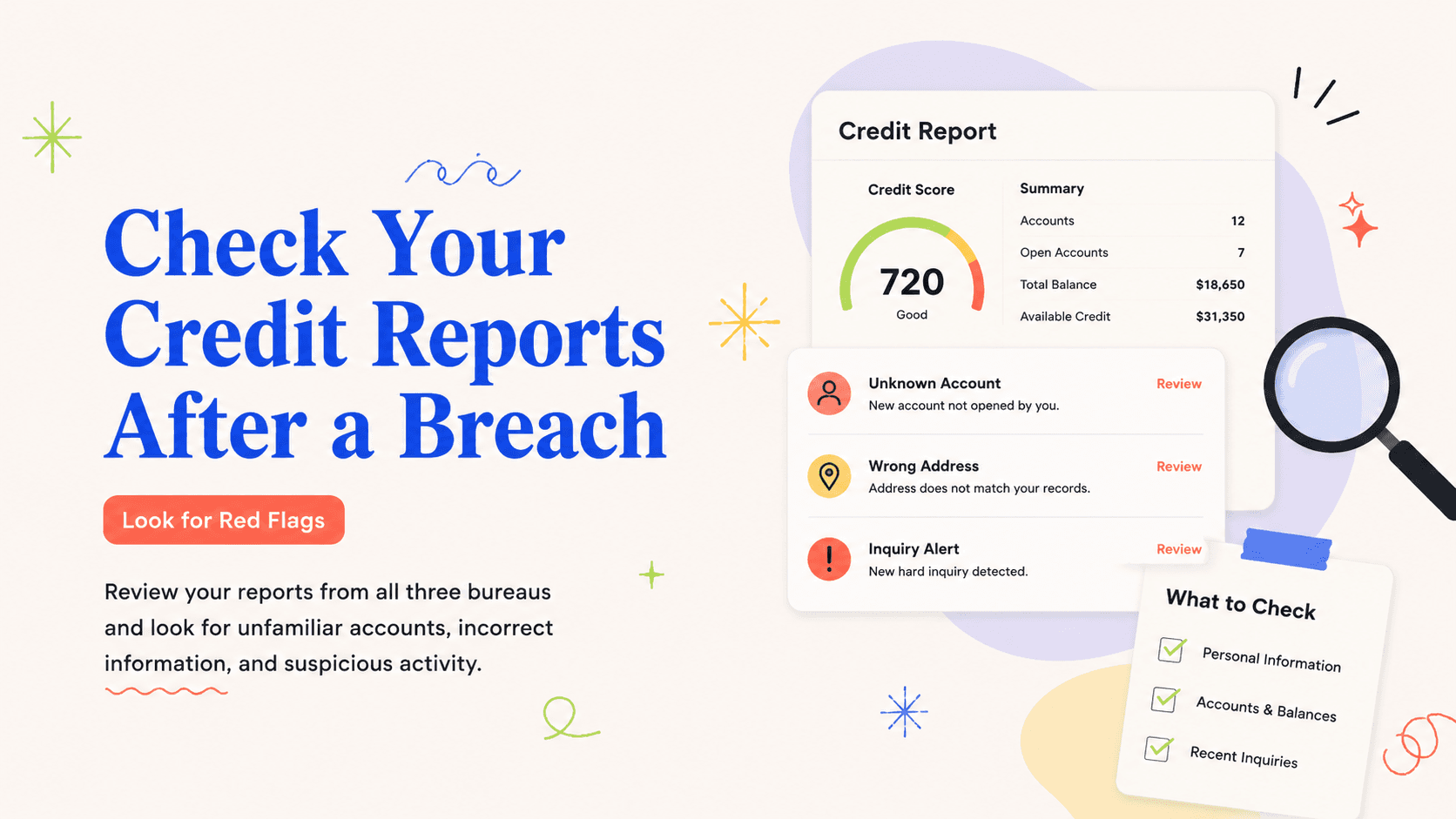
One bureau lists an apartment address in another state that you have never used, but you do not immediately see an unfamiliar loan or card.
An unfamiliar address is a clue, not a complete identity-theft diagnosis
Start by treating an unfamiliar address on a credit report after a breach as a specific response problem rather than as proof that every part of your identity has been taken over. Addresses on consumer reports can come from creditors and application data, so an unfamiliar address may be a reporting error, an old association, or a clue that someone applied using your identity. Pull your reports from the official AnnualCreditReport.com source and note which bureau shows the address and which nearby accounts or inquiries appeared around the same time.
A copy of the notice, the date it arrived, and the specific data or account named in it — get all three recorded before contacting anyone. It matters most when it connects to an account, inquiry, collection, or application you do not recognize.
An unfamiliar address is not automatically identity theft. Credit files can carry old residences, mailing variations, creditor-supplied formatting, or addresses associated with legitimate applications. Compare it with your own history and with the creditor entries around it before disputing it; the goal is to find the account or inquiry that caused it to appear.
Compare the address across all three credit files
The first move should reduce the most immediate pathway to misuse. Check your own address history and creditor names, then contact the relevant bureau or furnisher through verified channels if the address is inaccurate.
A scattershot response to every possible risk is less effective than a ranked one. Investigate an unknown account or hard inquiry linked to the address before spending time on harmless formatting differences in a familiar address.
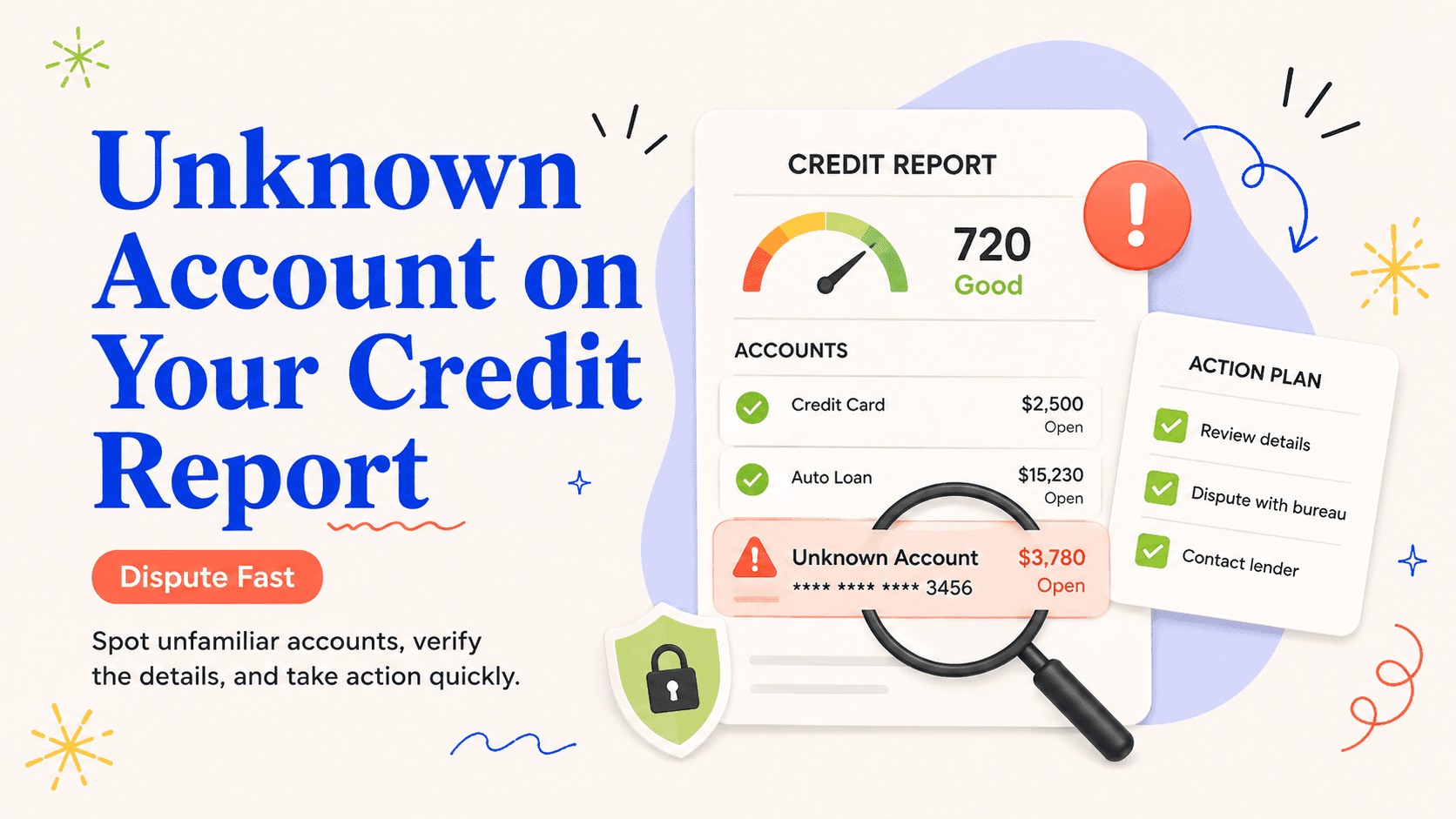
If the address is truly unrelated to you, inspect the report for accounts, inquiries, names, or employers that appeared around the same time. An address paired with an unknown account is more concerning than an isolated spelling variation. Save a copy of the report showing the disputed address before you submit a correction.
Trace the address to the account or inquiry that supplied it
Credit reporting companies handle disputes about inaccurate report data, while the company that furnished the address may need to correct its own records.
Before identity paperwork goes anywhere, make sure the request is coming from where it claims to. Keep the report confirmation number and submit sensitive identity documents only through the bureau’s official dispute channel.
Use the reporting company's official dispute process and explain that the address does not belong to you. If it is connected to identity theft, include the documentation the bureau requests and separately contact any lender or creditor tied to the fraudulent item. Correcting the address alone does not close an account opened with stolen identity data.
Decide whether the file needs a dispute or an identity-theft block
A freeze or credit-report check is relevant only in exposures that touch new-credit risk — not universally. If the address is tied to identity-theft information, CFPB guidance explains that a consumer can request a block with an identity theft report, proof of identity, and a letter identifying the fraudulent information.
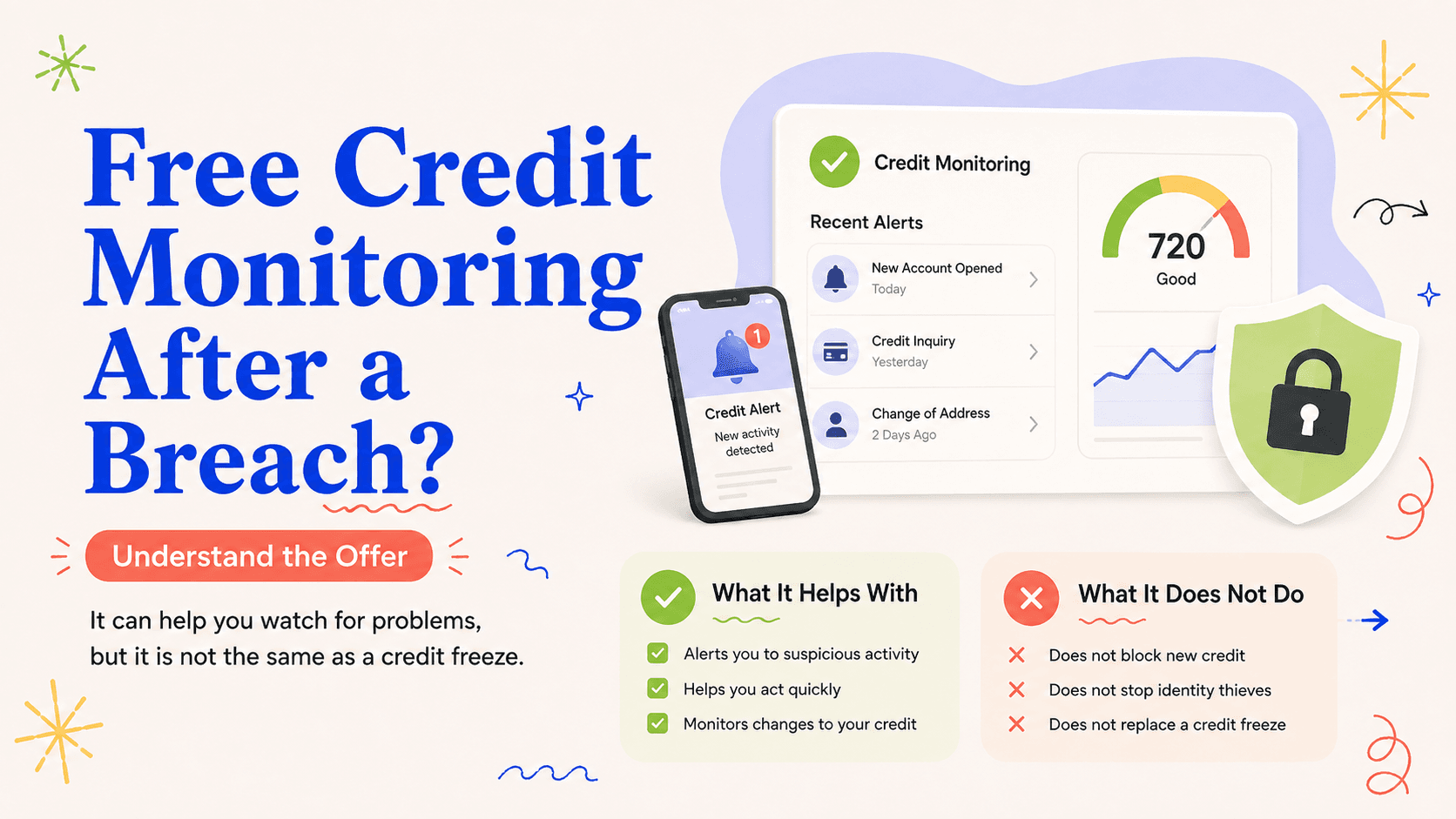
Before tracking any changes, pull a dated report from annualcreditreport.com — that's the baseline credit monitoring needs. Compare later reports to confirm the address does not return and to catch any new account connected to the same fraudulent application.
Save the report version before anything changes
This record-keeping is doing work, not just documenting work that's already done. Save a PDF or printout showing the unfamiliar address and the surrounding tradeline or inquiry before starting the dispute.
This stops being about prevention the moment misuse is confirmed — it becomes a recovery matter. If investigation reveals an account you did not open, create an FTC Identity Theft Report and follow the recovery process for both the creditor and the bureaus.
A freeze can reduce the chance of new-credit accounts while the situation is being investigated, but it does not erase existing report data. Keep freeze and dispute tasks separate in your notes: one limits future access to the file, while the other challenges information already being reported.
Do not delete a useful clue before checking connected accounts
One control rarely fixes every consequence here. Removing the address from one bureau does not automatically close a fraudulent account or correct another bureau that received the same data.
Also separate exposure from confirmed misuse. Creditor mergers, past employers, family addresses, or data-entry errors can create a strange address without identity theft, so trace the source before escalating.
Expect “credit repair” pitches after a breach
Expect follow-up scams that refer to the disputed address. Companies may promise to “wipe” accurate negative credit information or charge for steps you can take directly with the bureaus.
A legitimate recovery process should be verifiable through an established channel. Use the bureau and creditor channels shown on official reports instead of a paid service that contacts you after a breach.
Confirm the correction across later reports
Rather than trusting memory, close out the initial response by writing follow-up dates into a calendar. Recheck all three reports after the dispute cycle and preserve the confirmation showing what each bureau changed.
The address is no longer an open question when you know which account supplied it, any inaccurate record is corrected, and any fraudulent account has its own recovery case.
Recheck the report after the bureau's investigation and again after any related creditor correction. If the address reappears, find the furnisher that is sending it rather than repeatedly deleting the symptom. A recurring address can indicate that an underlying account or data source has not yet been corrected.